

Who we are
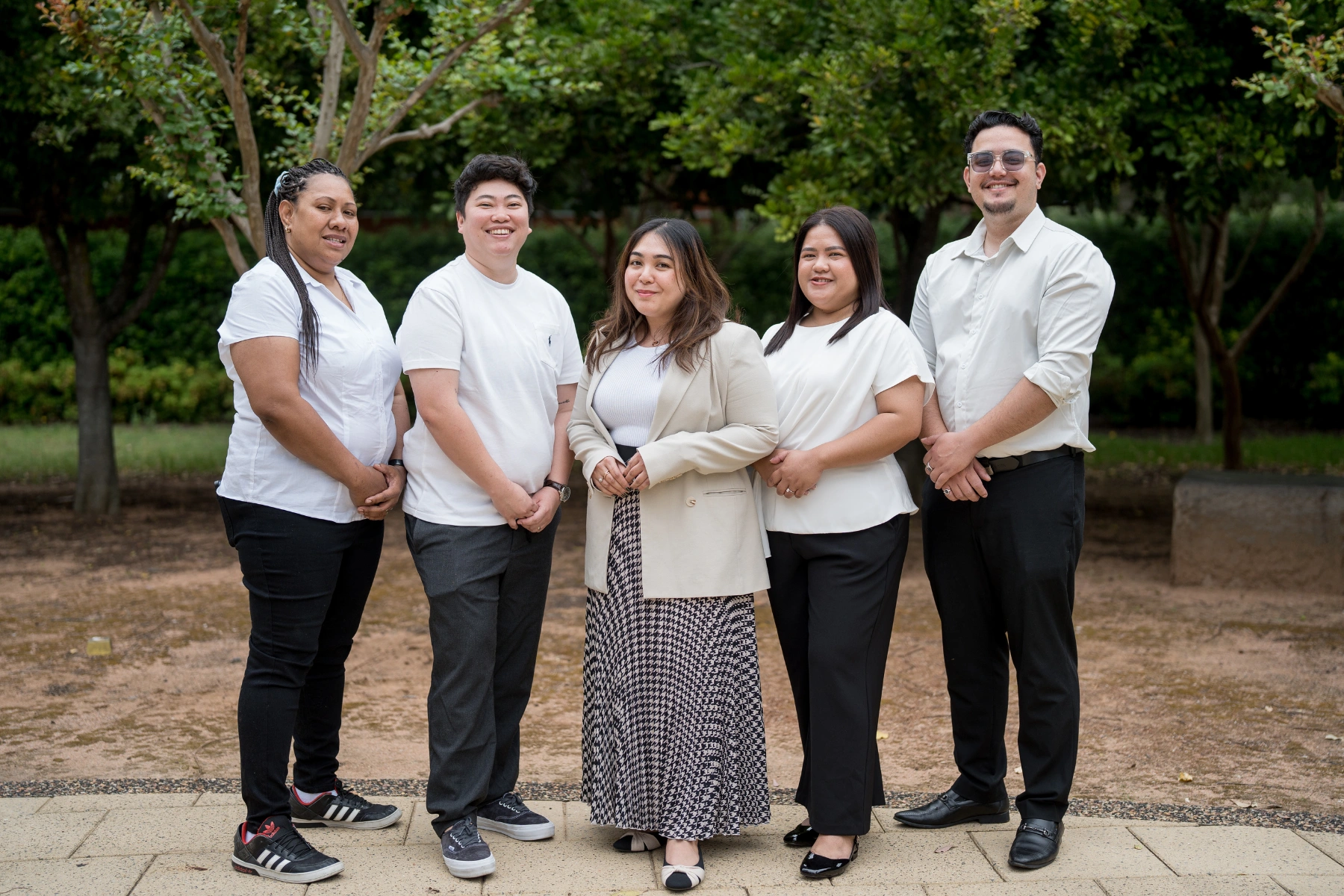
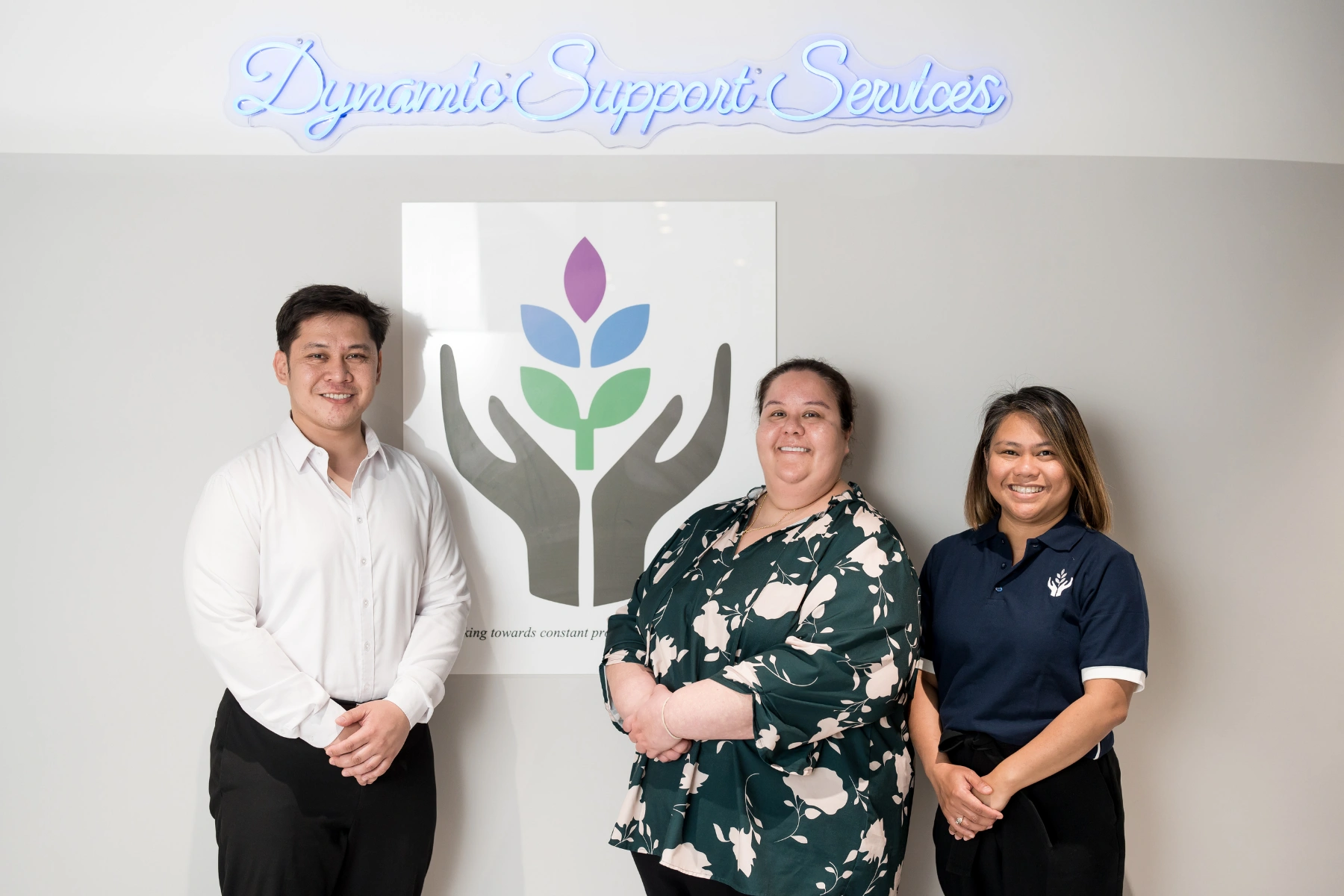
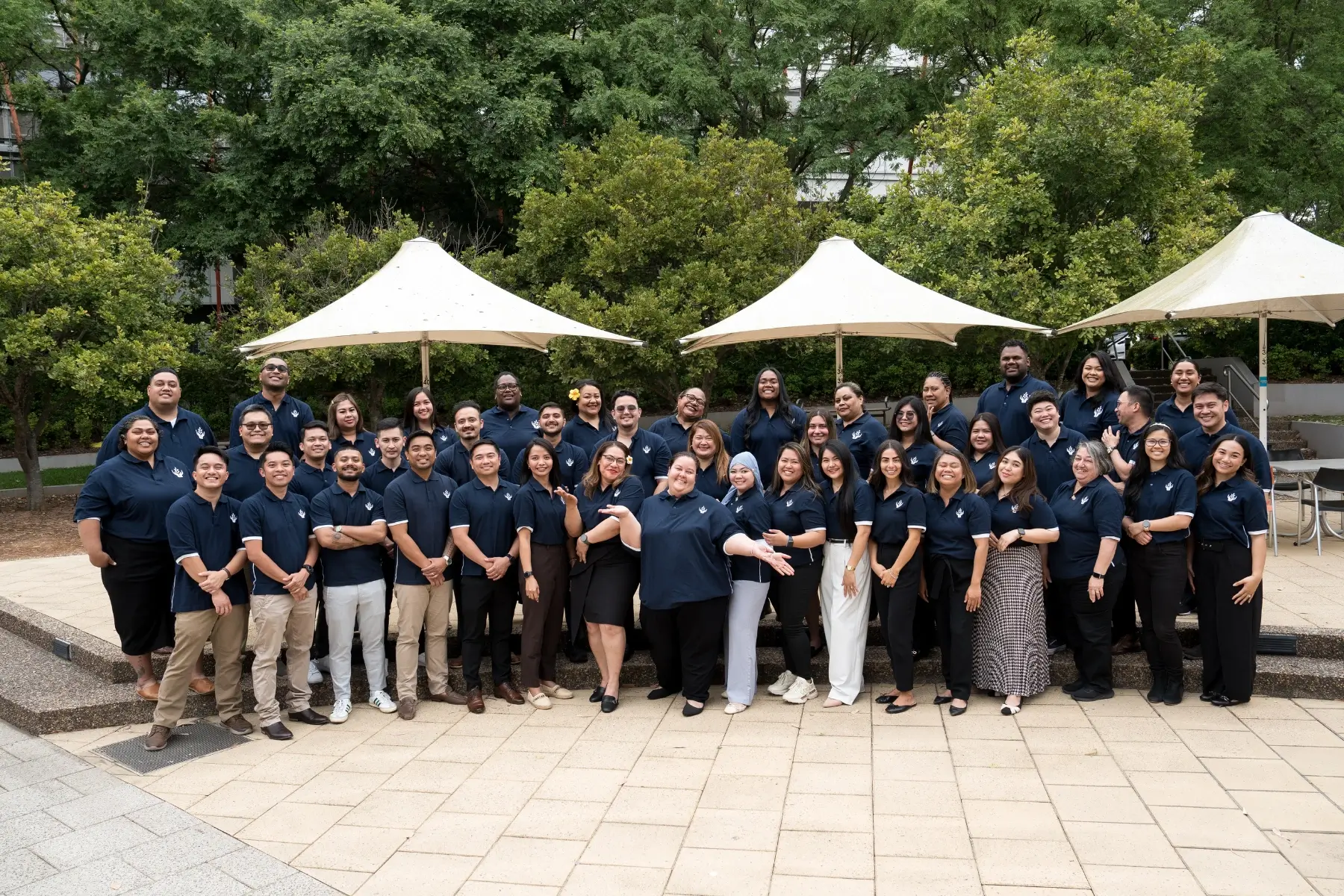
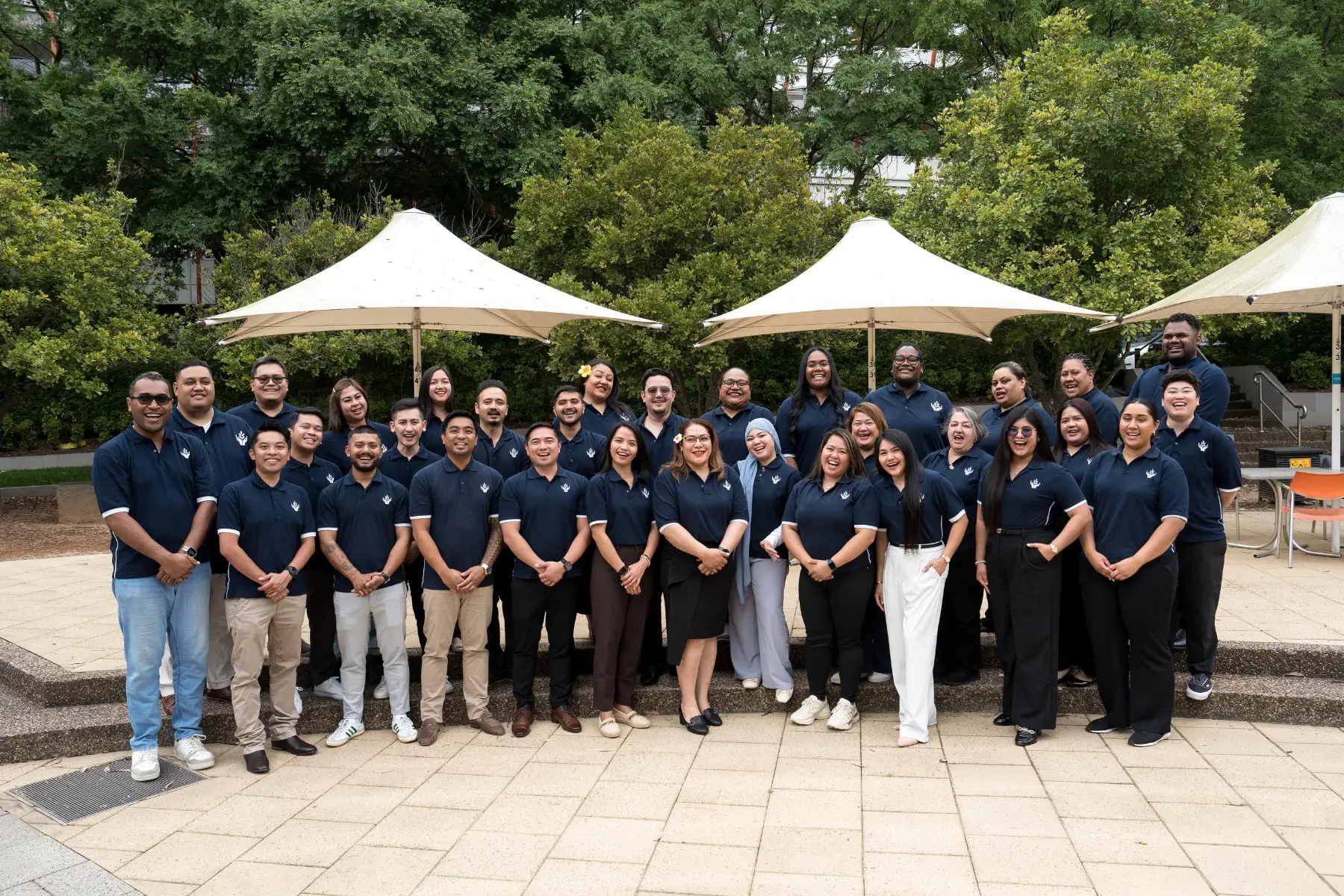
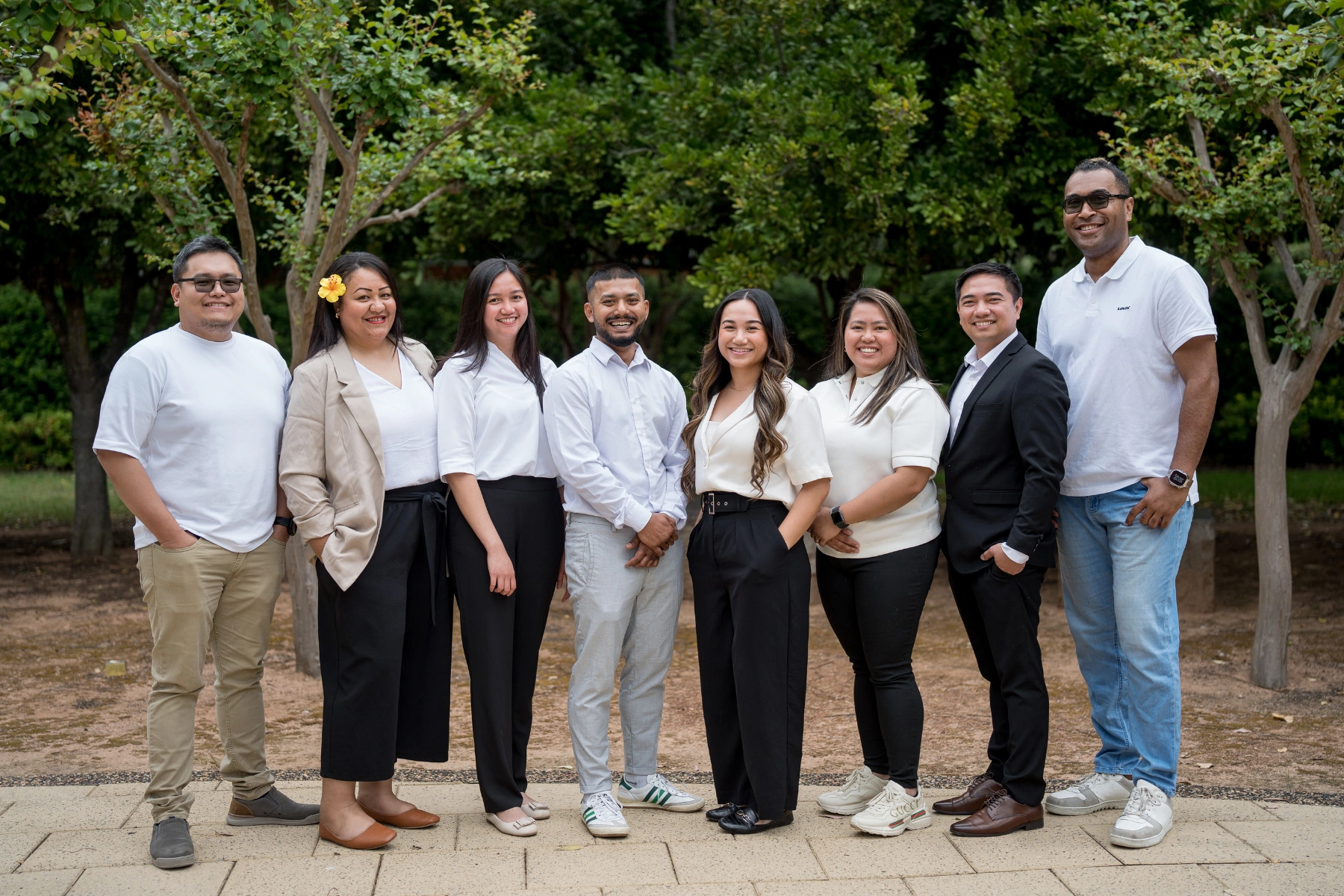
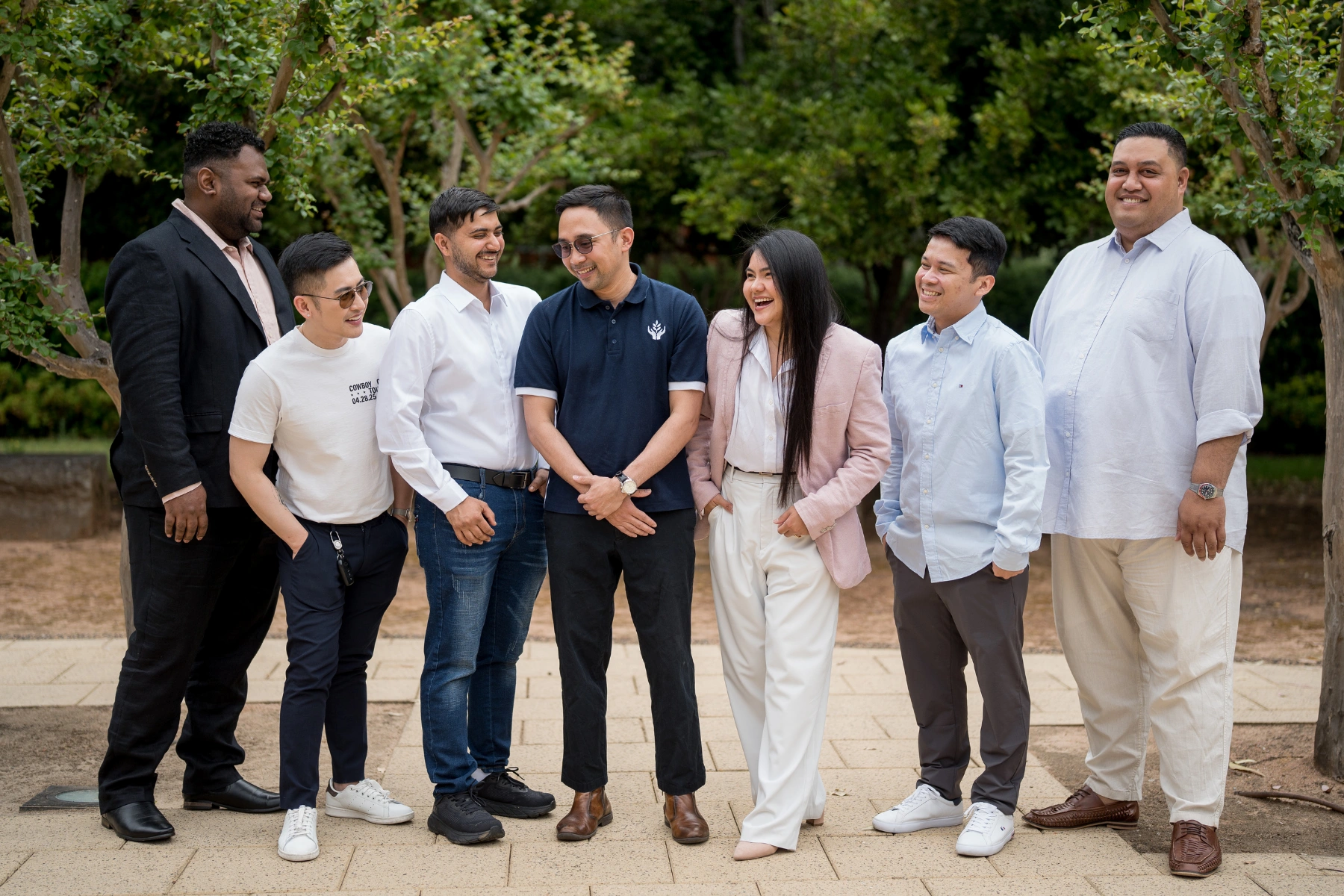
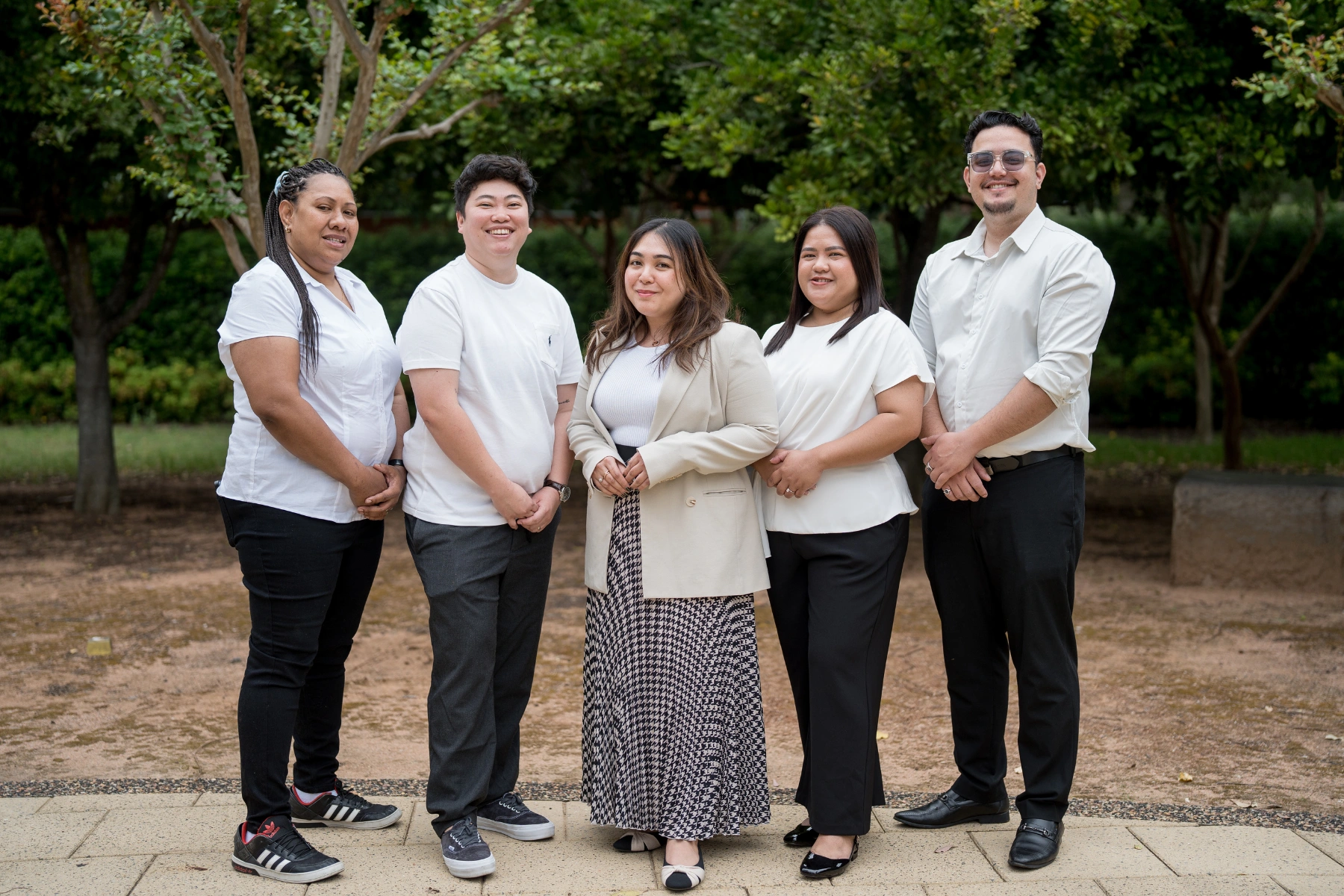
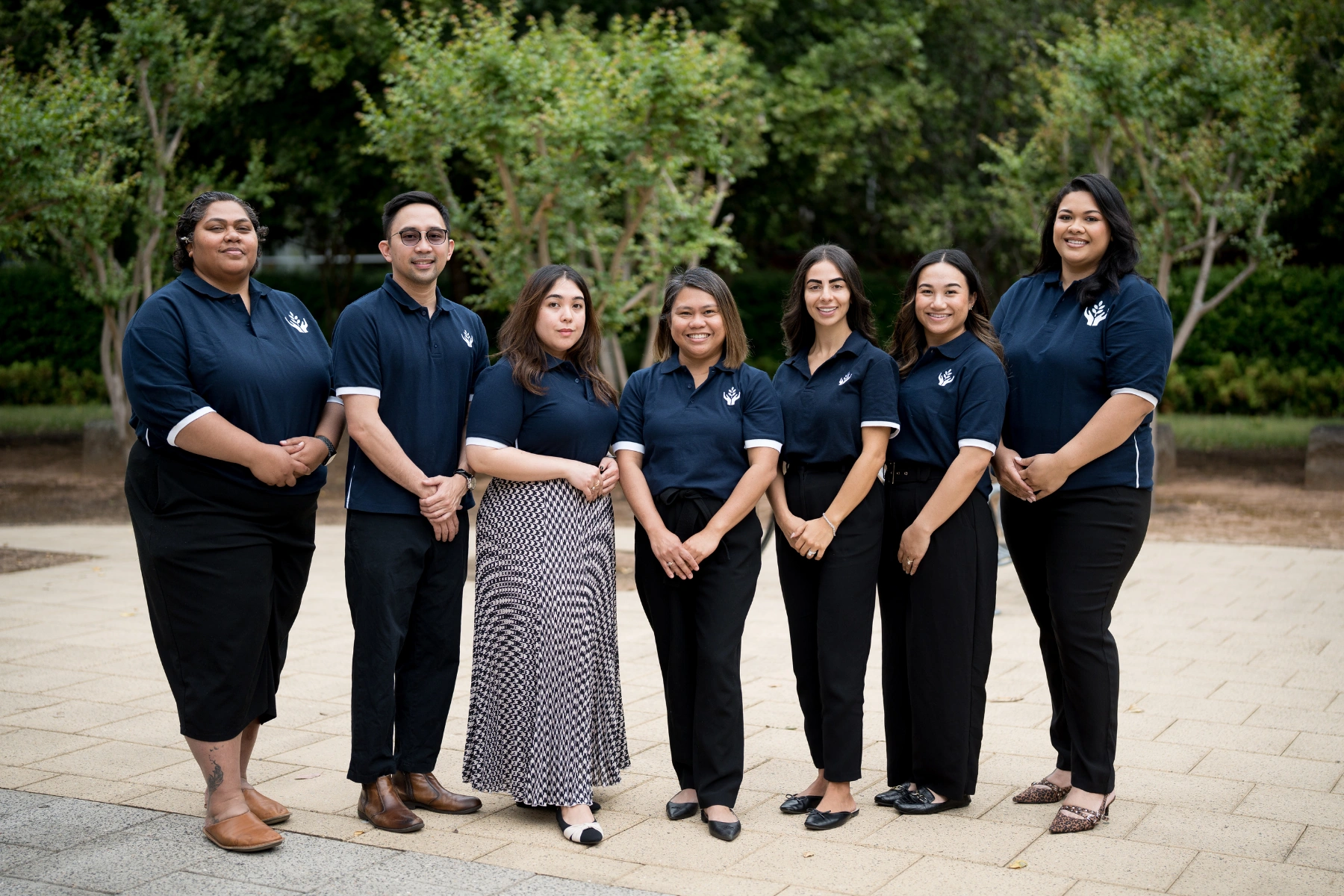
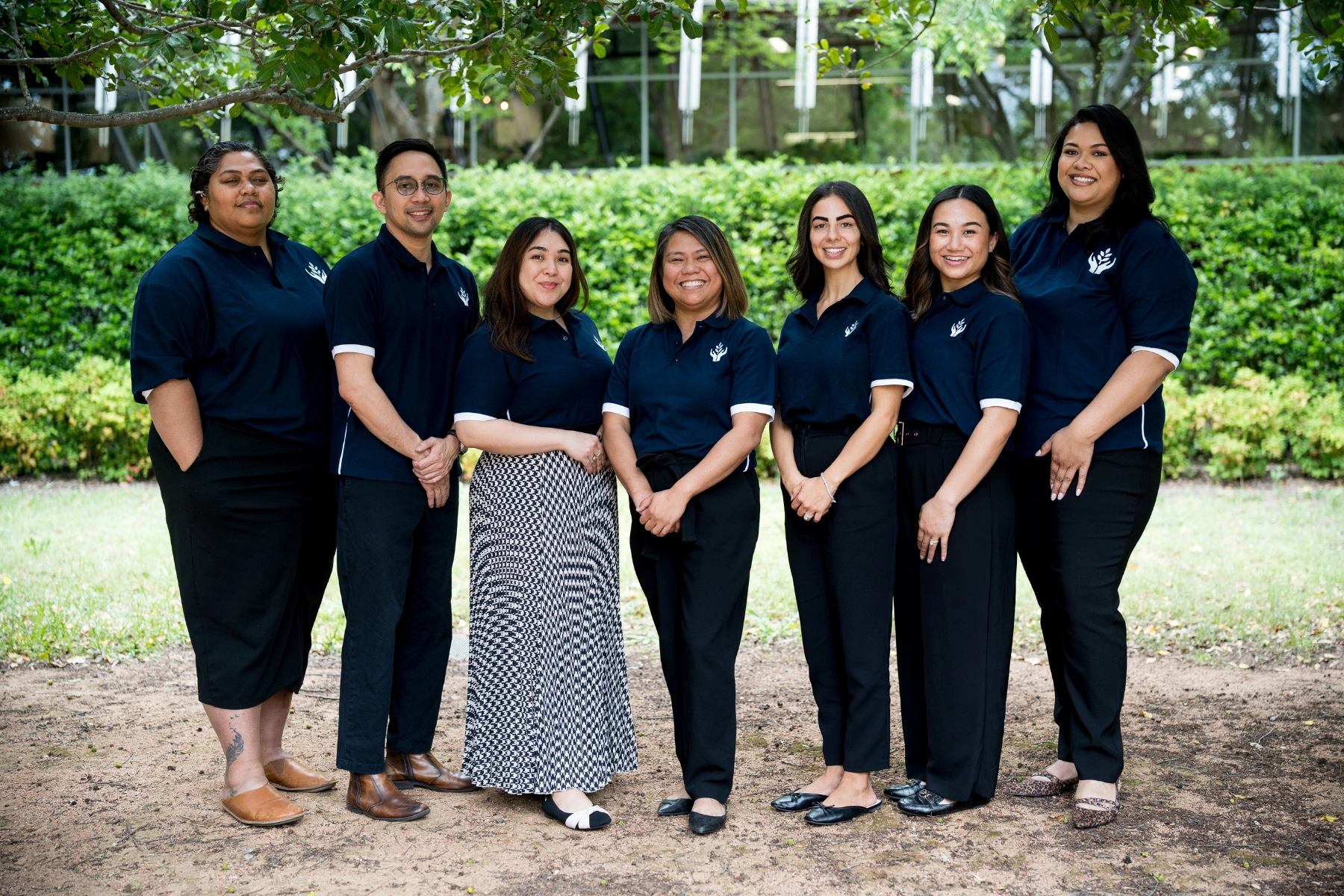
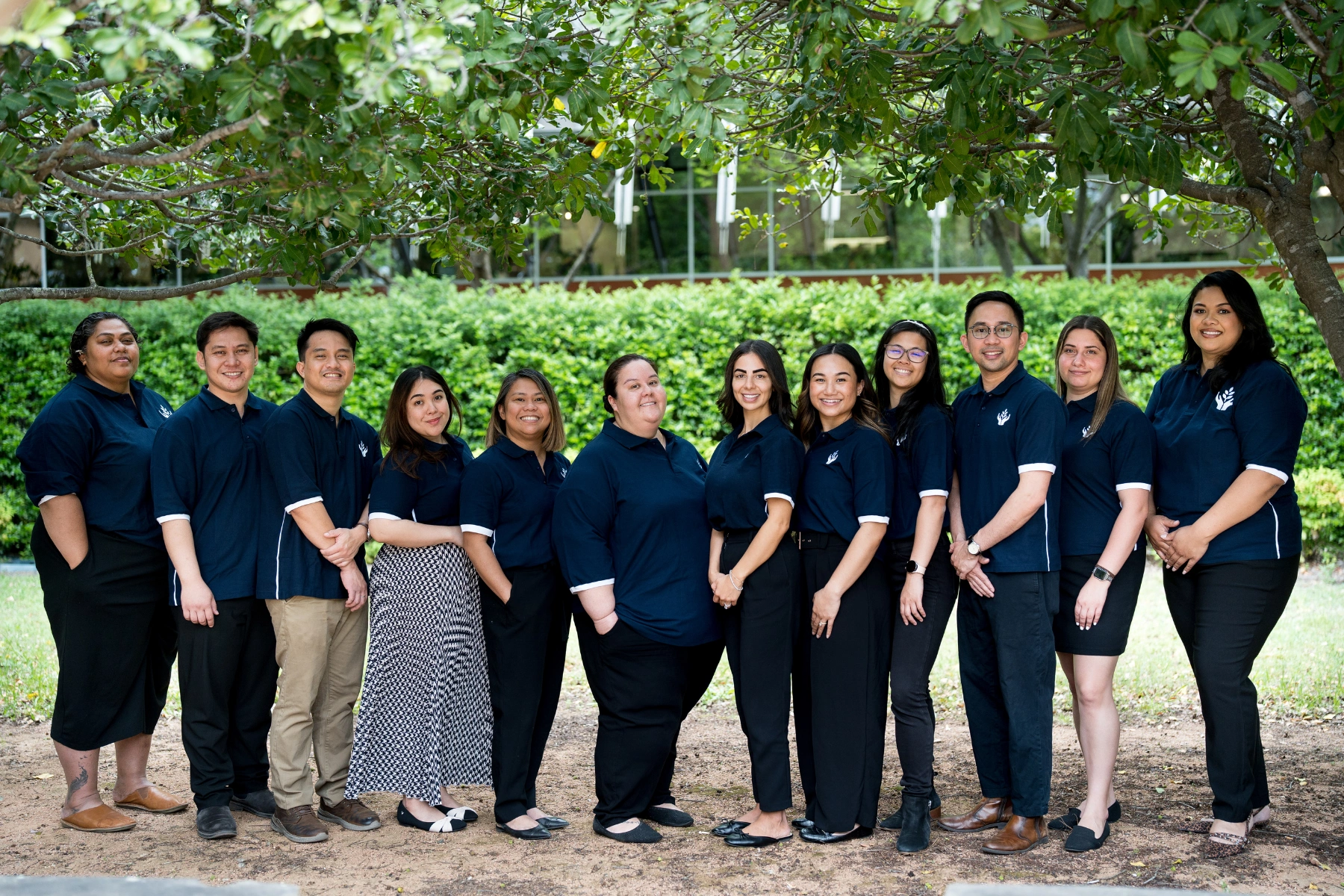
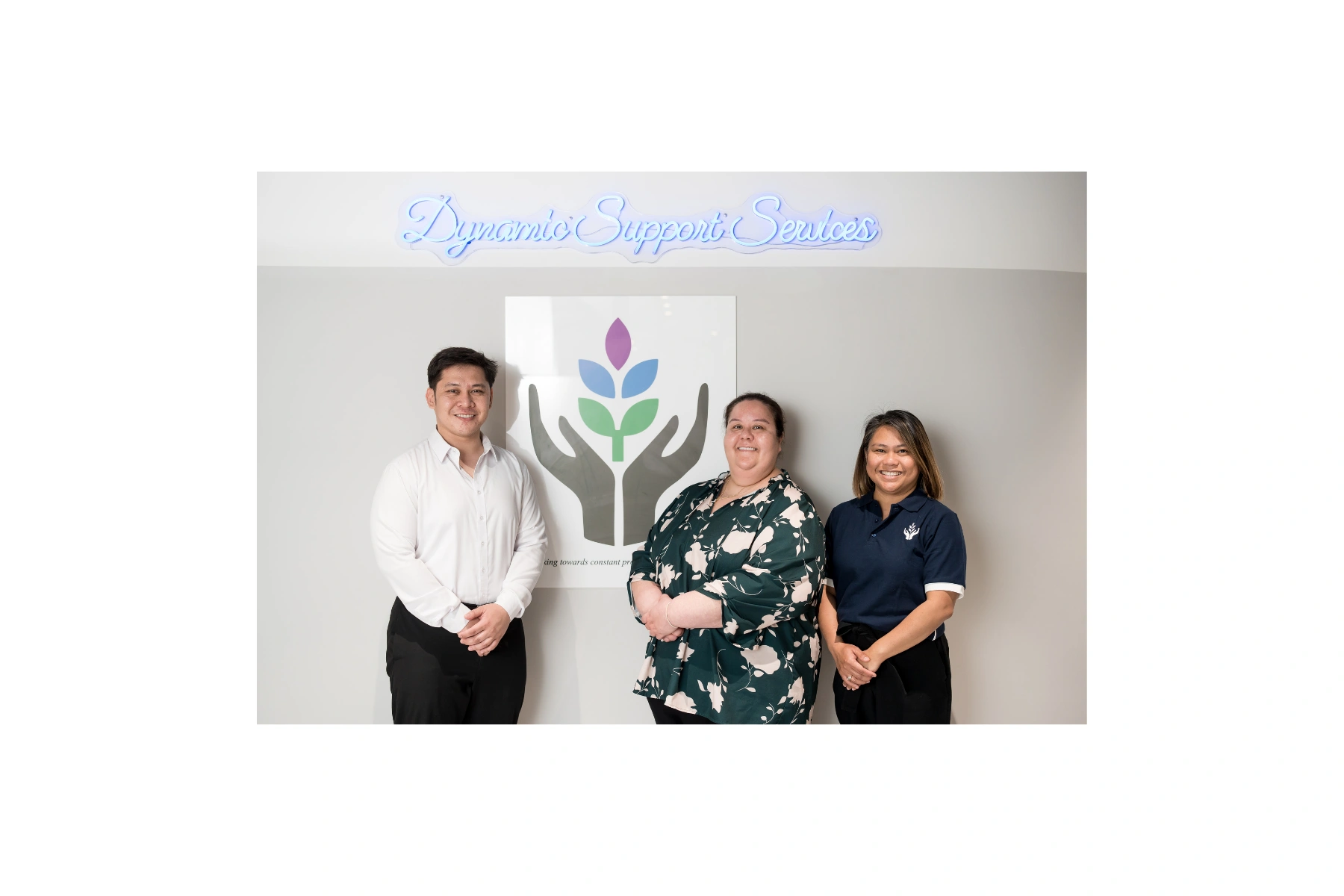
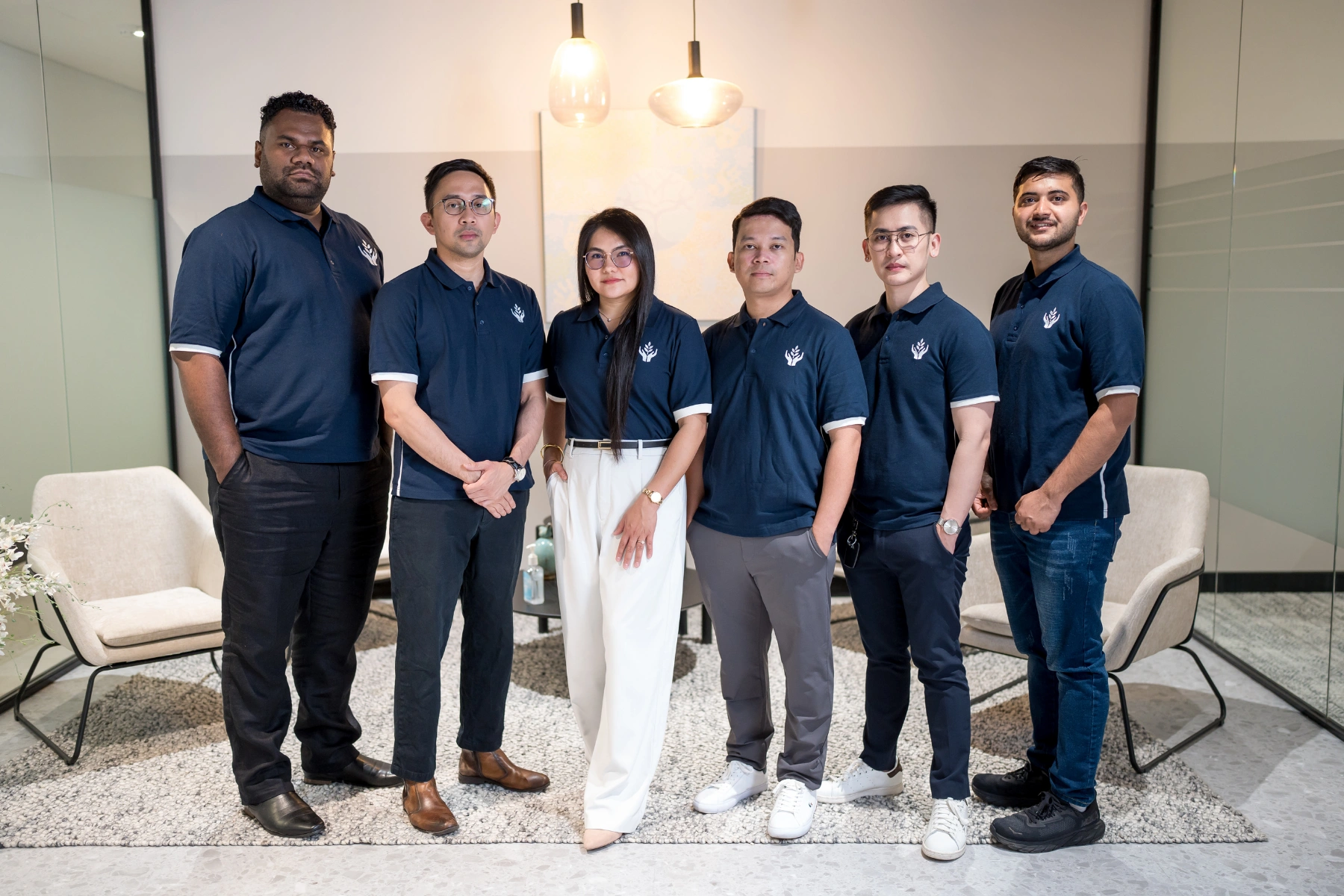
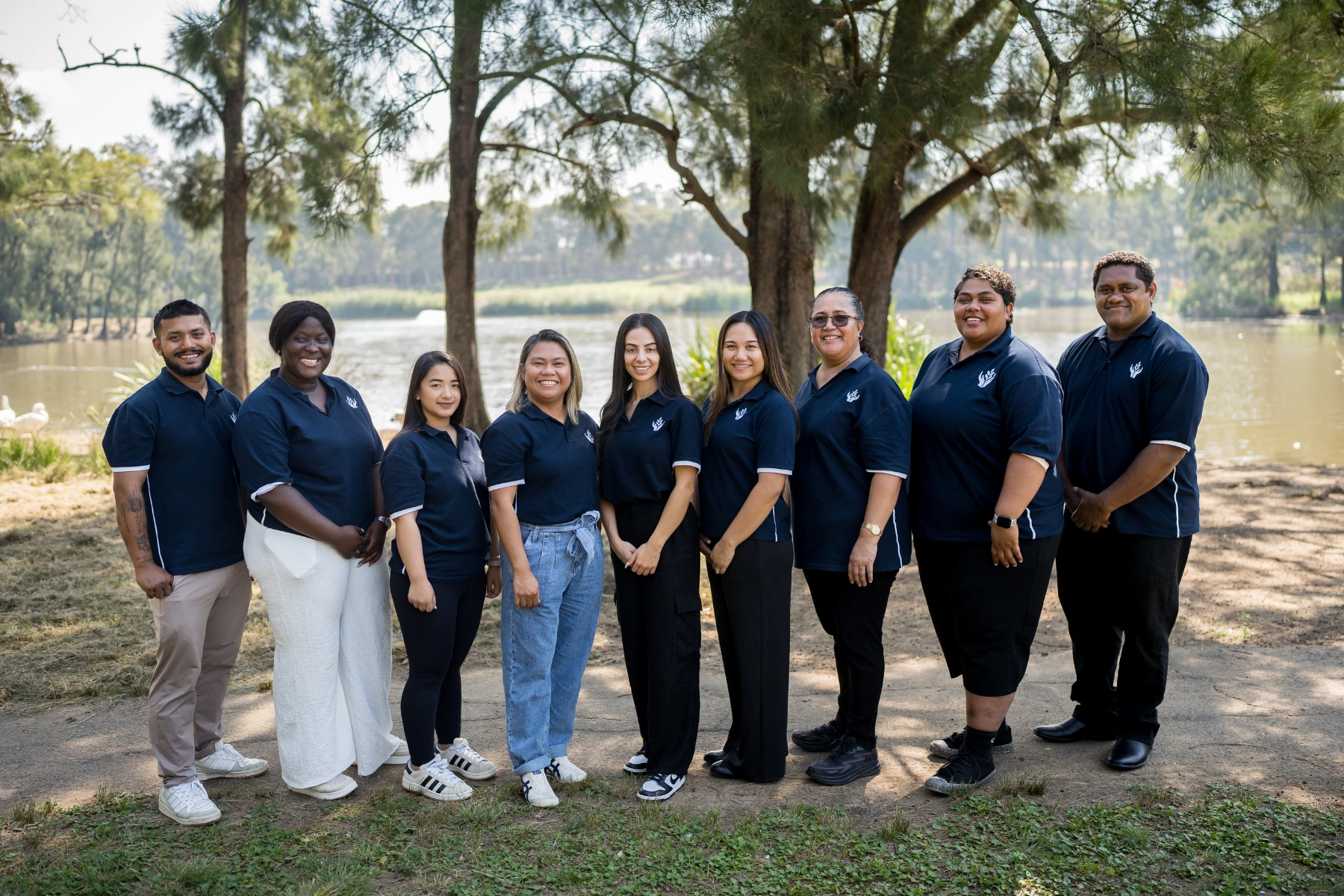
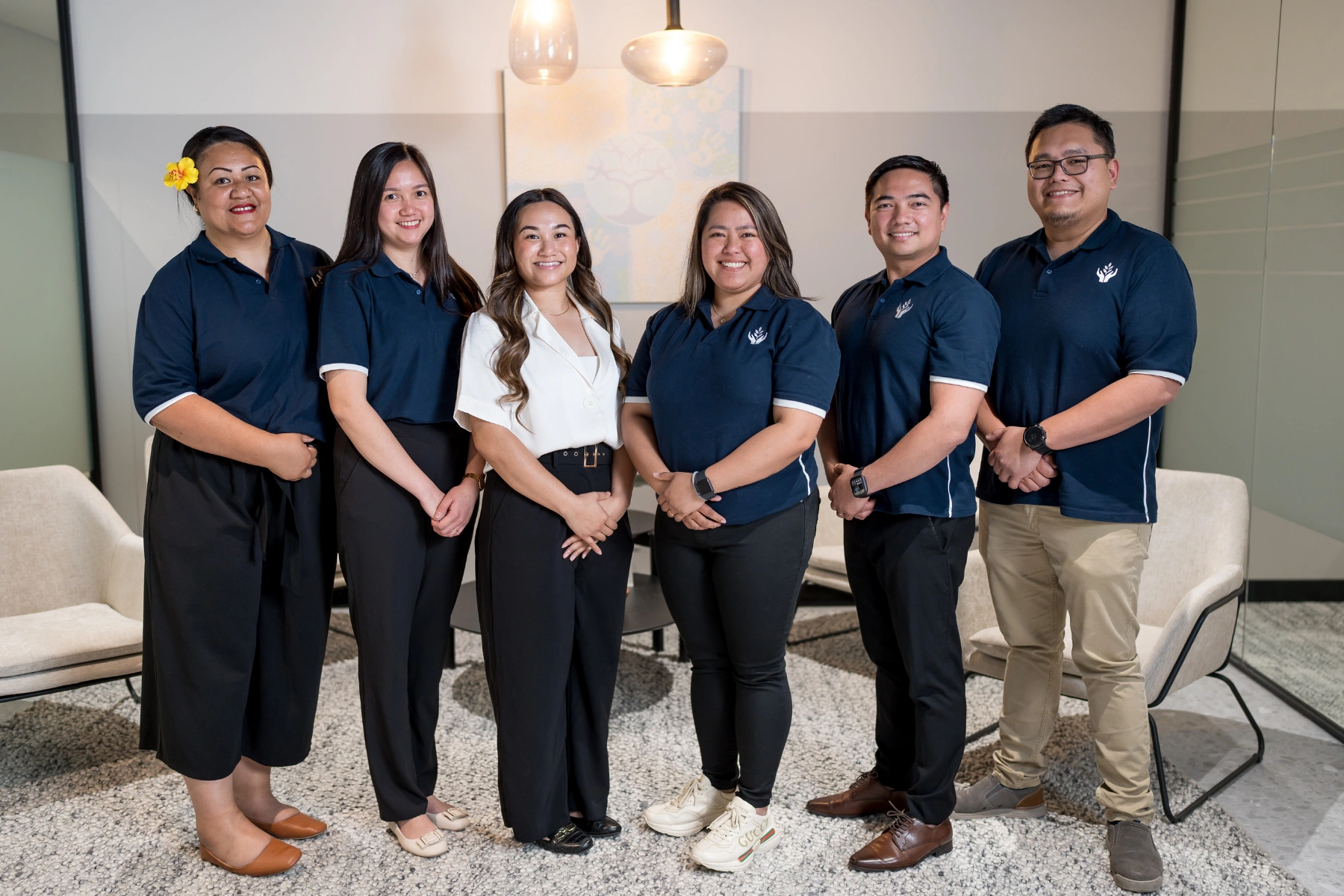
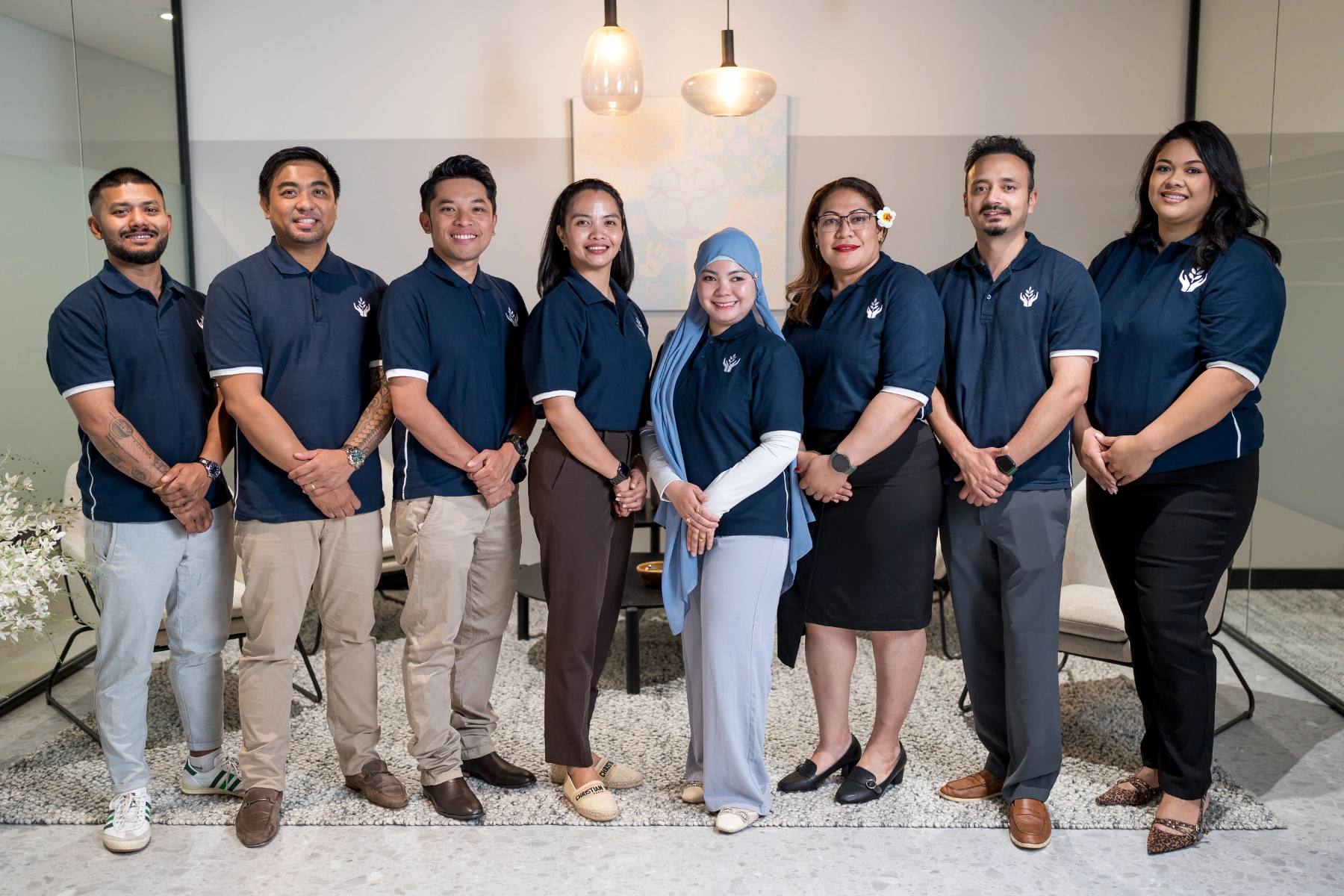
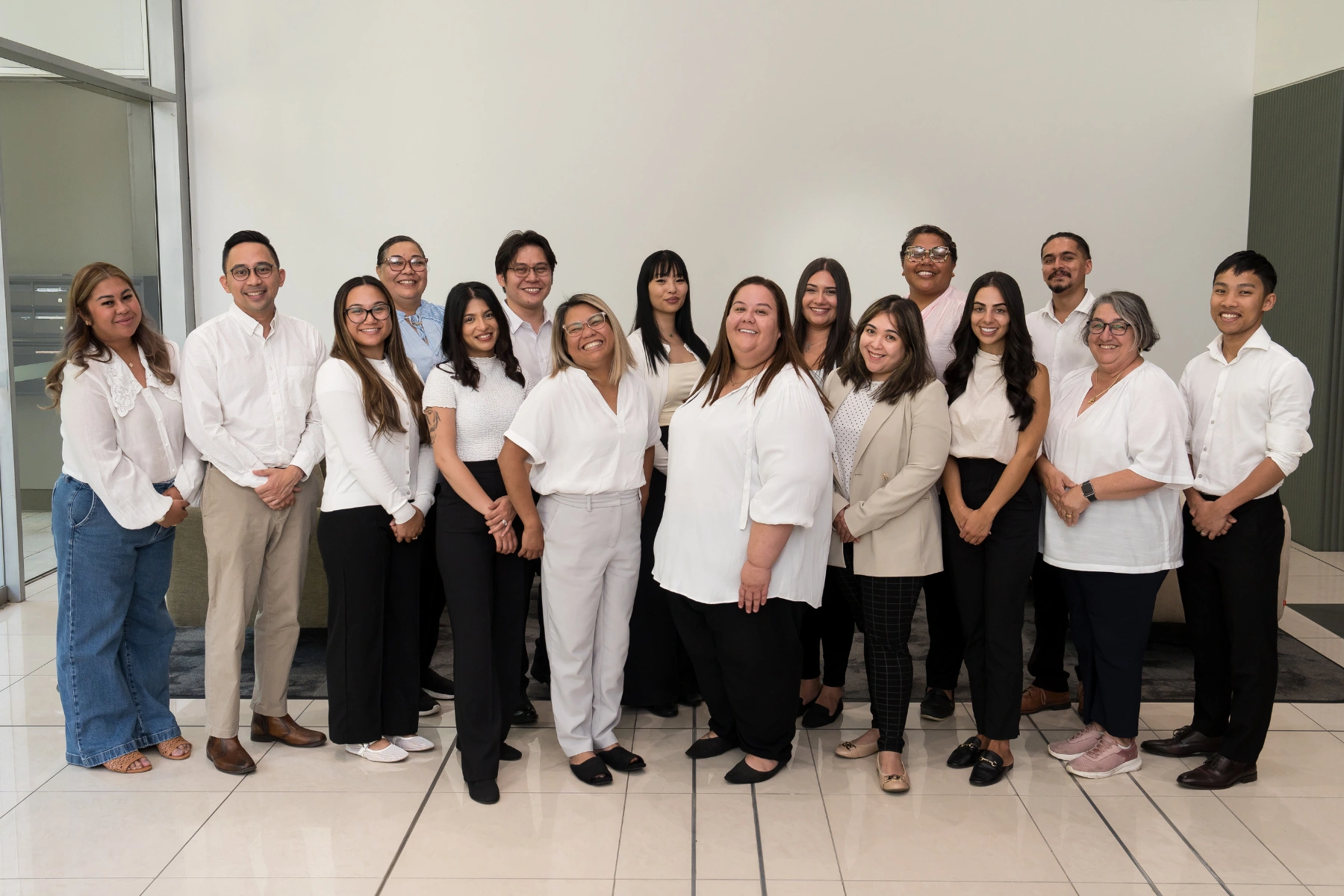
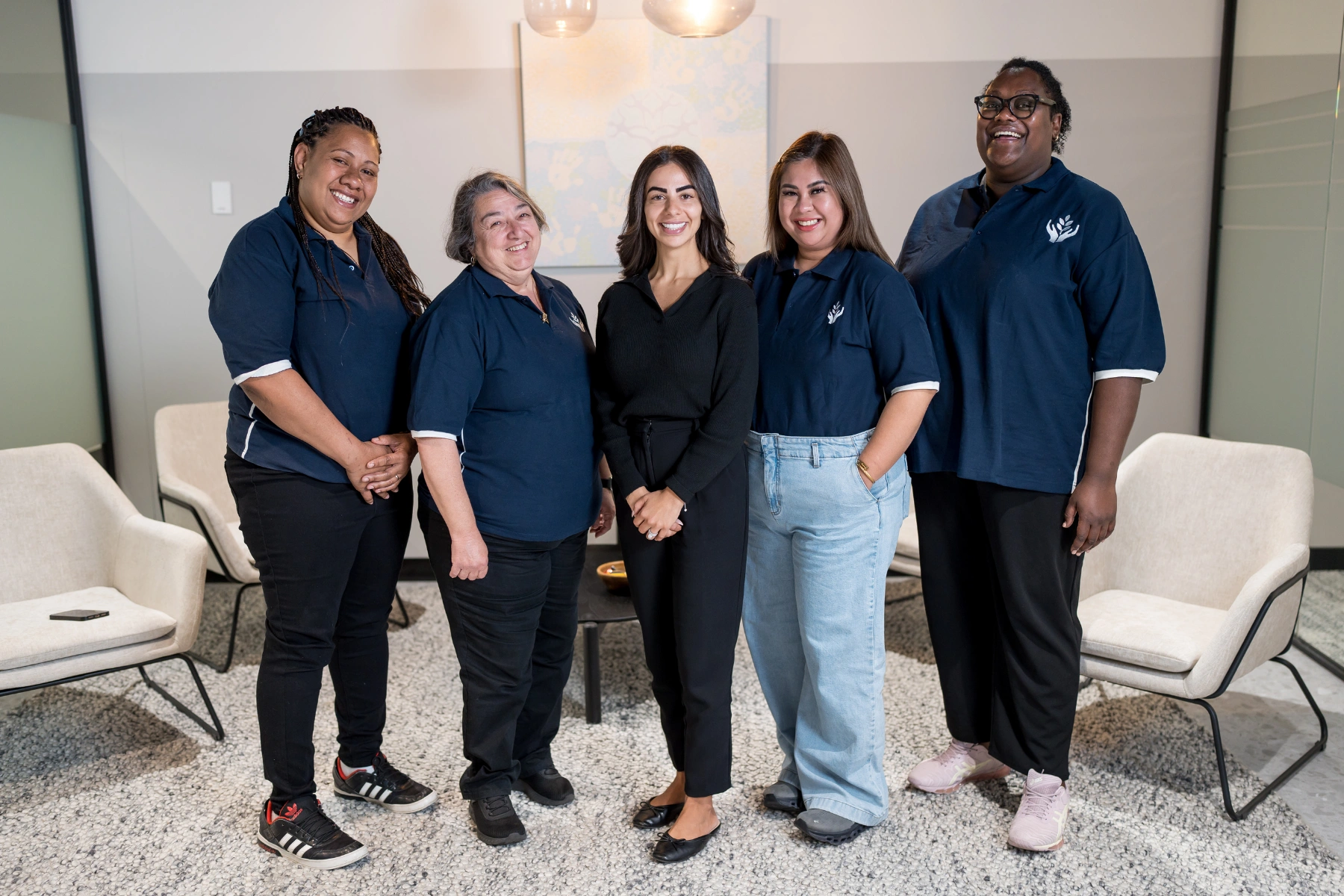
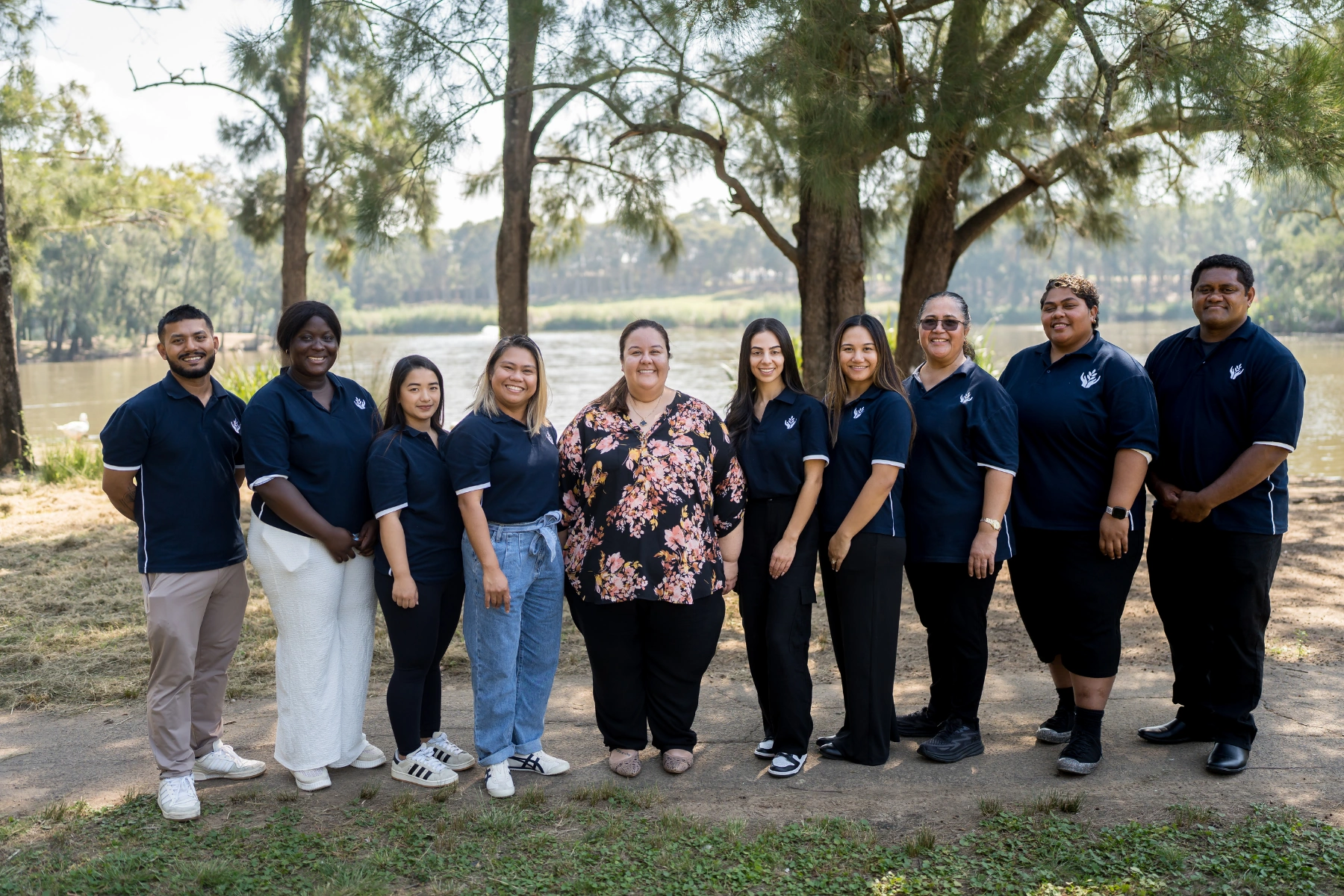
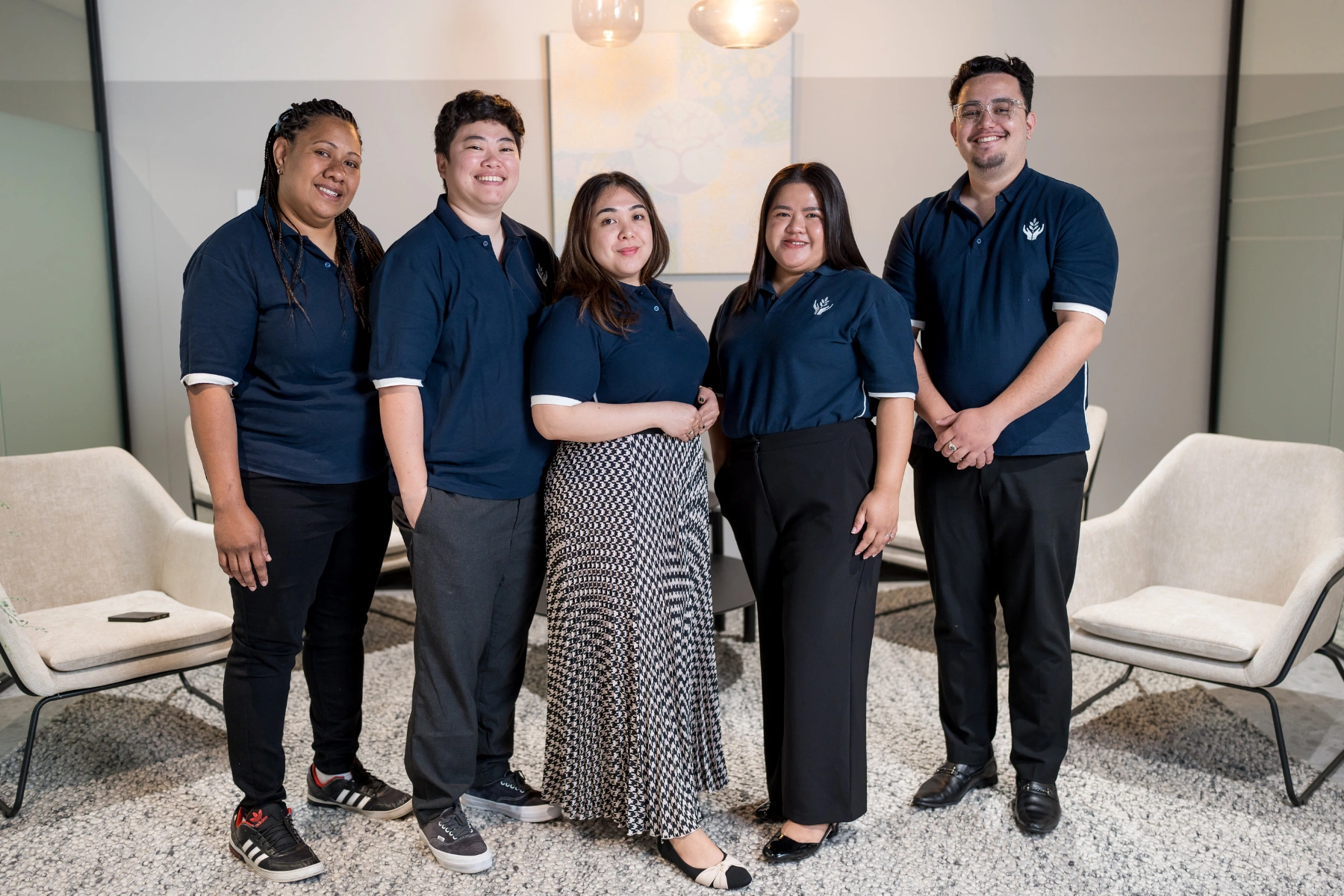
Allow us to introduce ourselves


Founded in
Year 2017
Our Vision
Who We Are
-
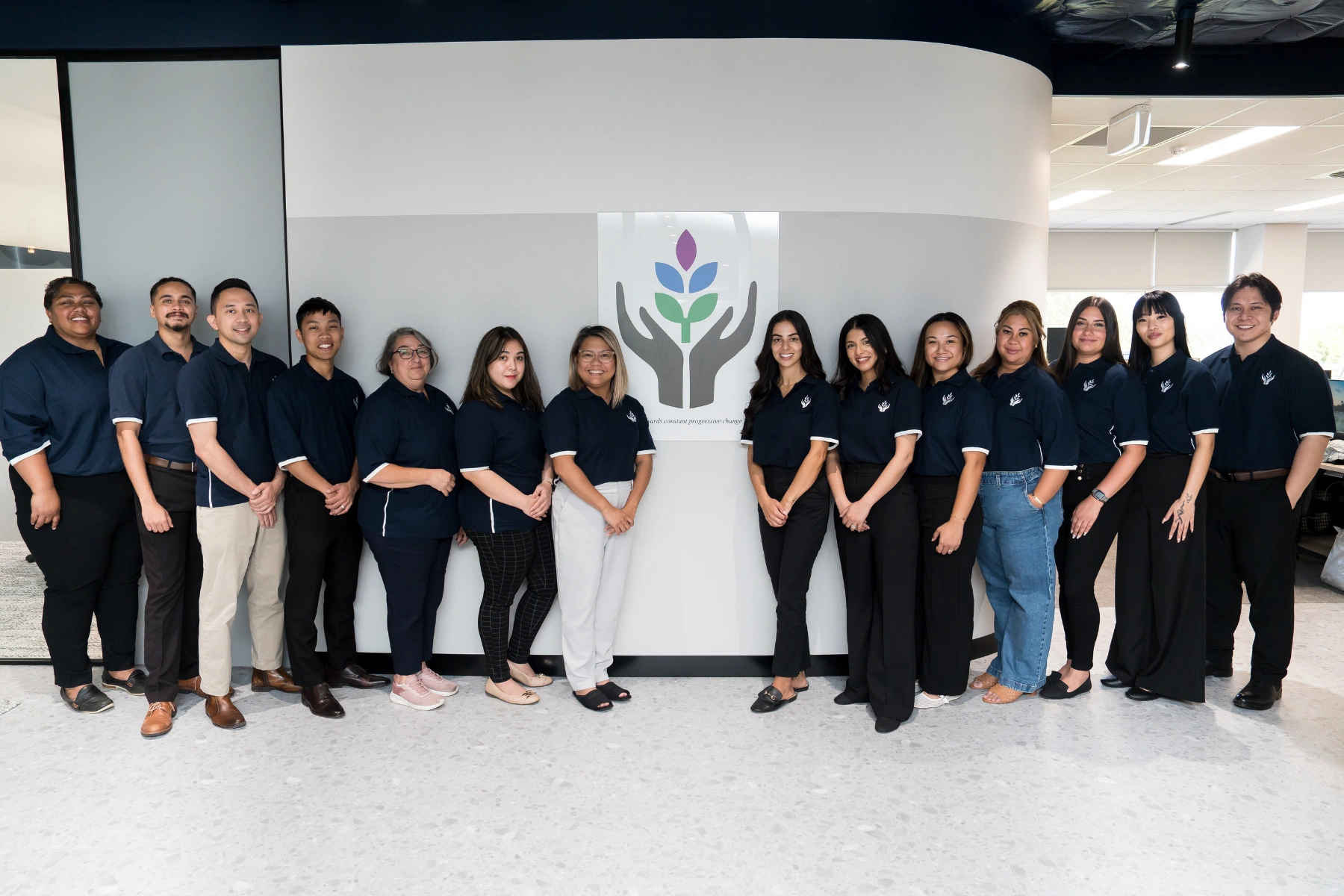
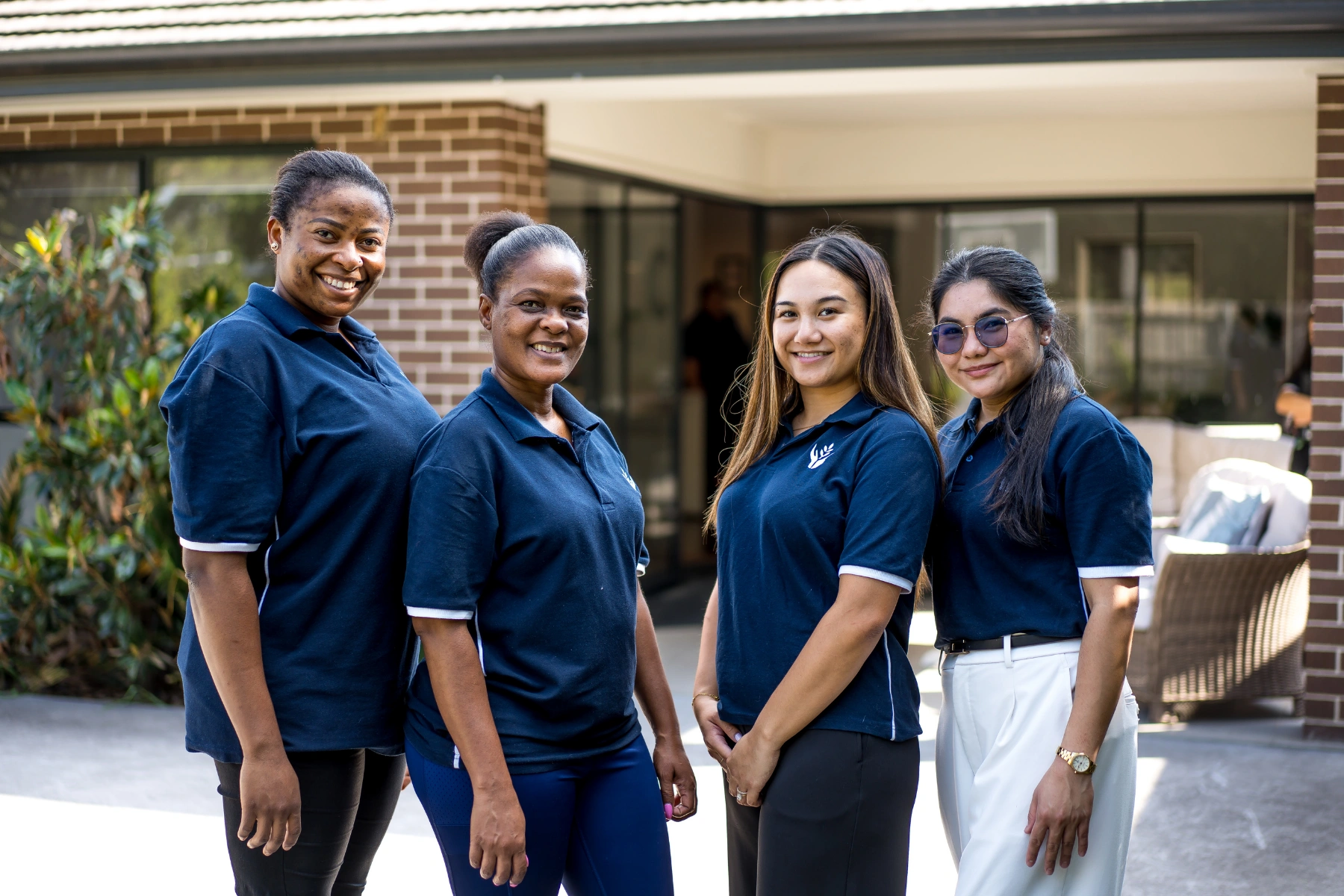
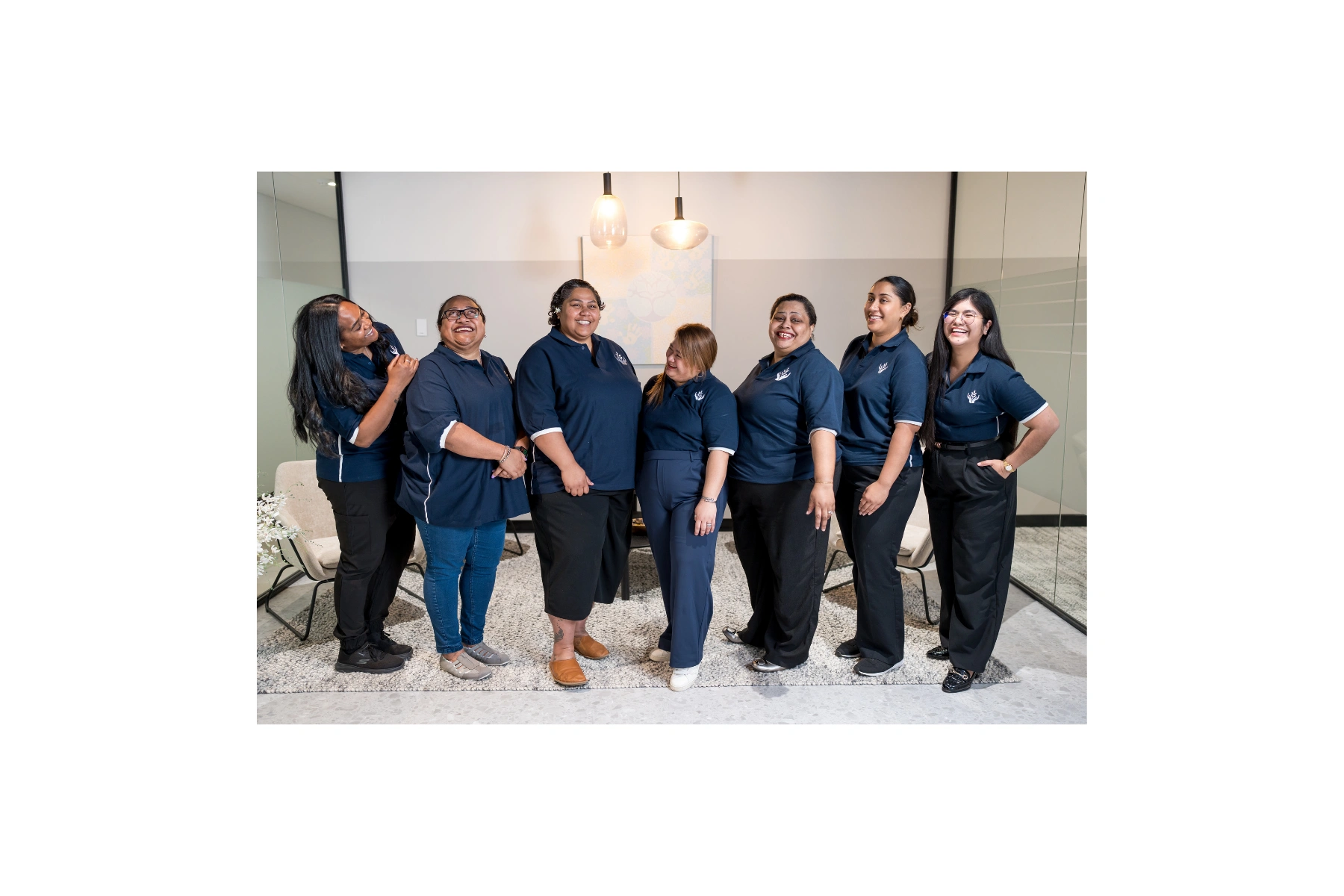
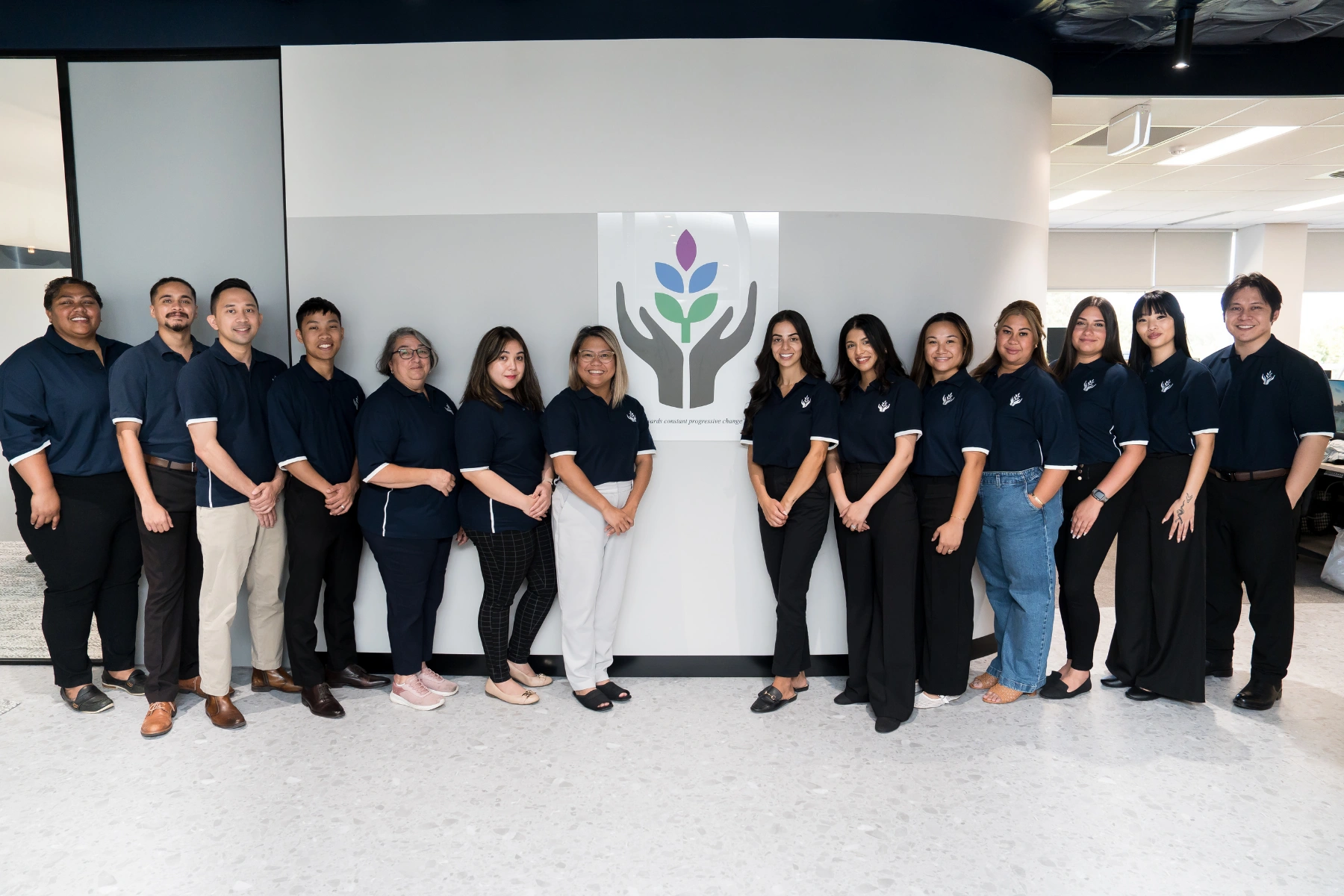
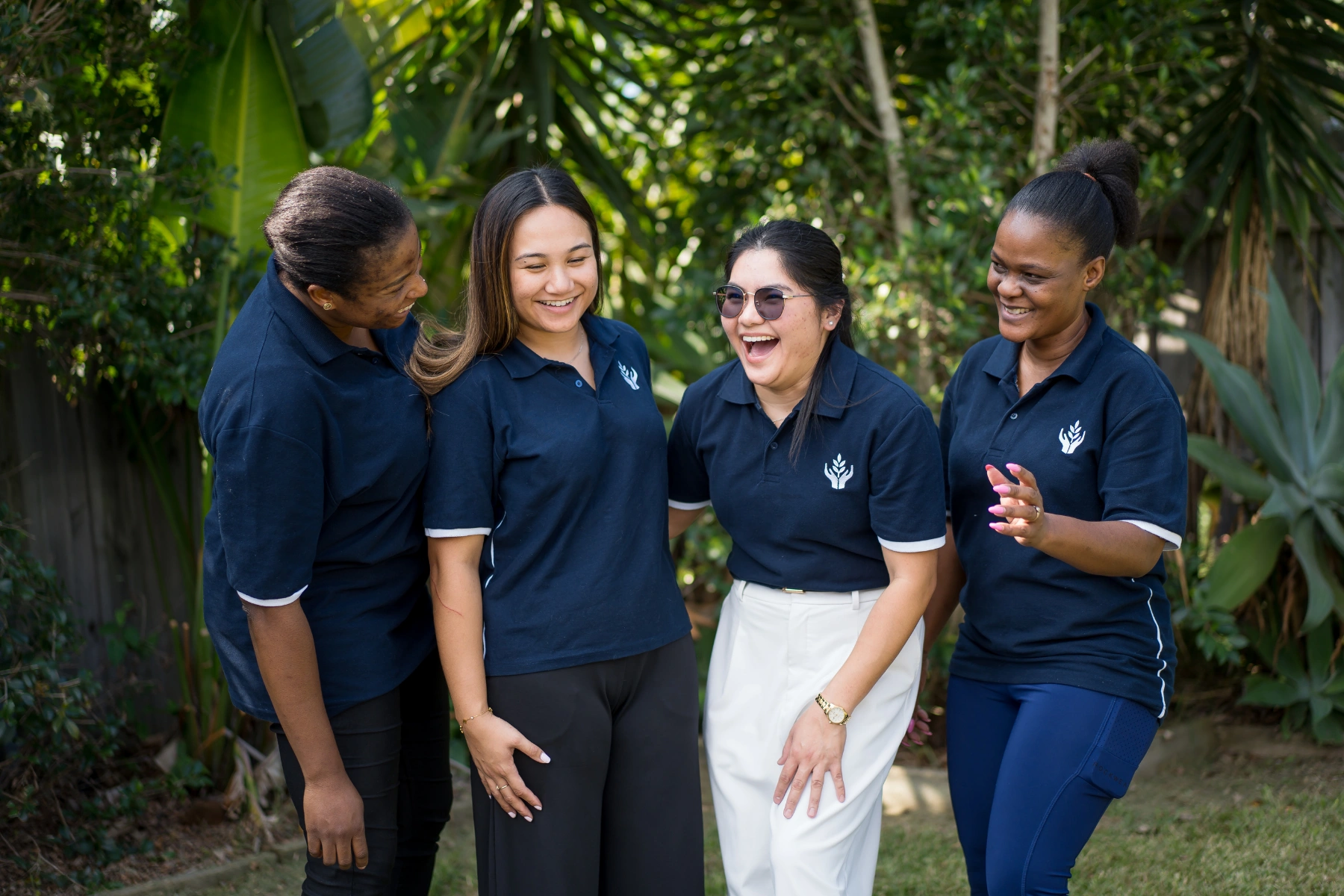
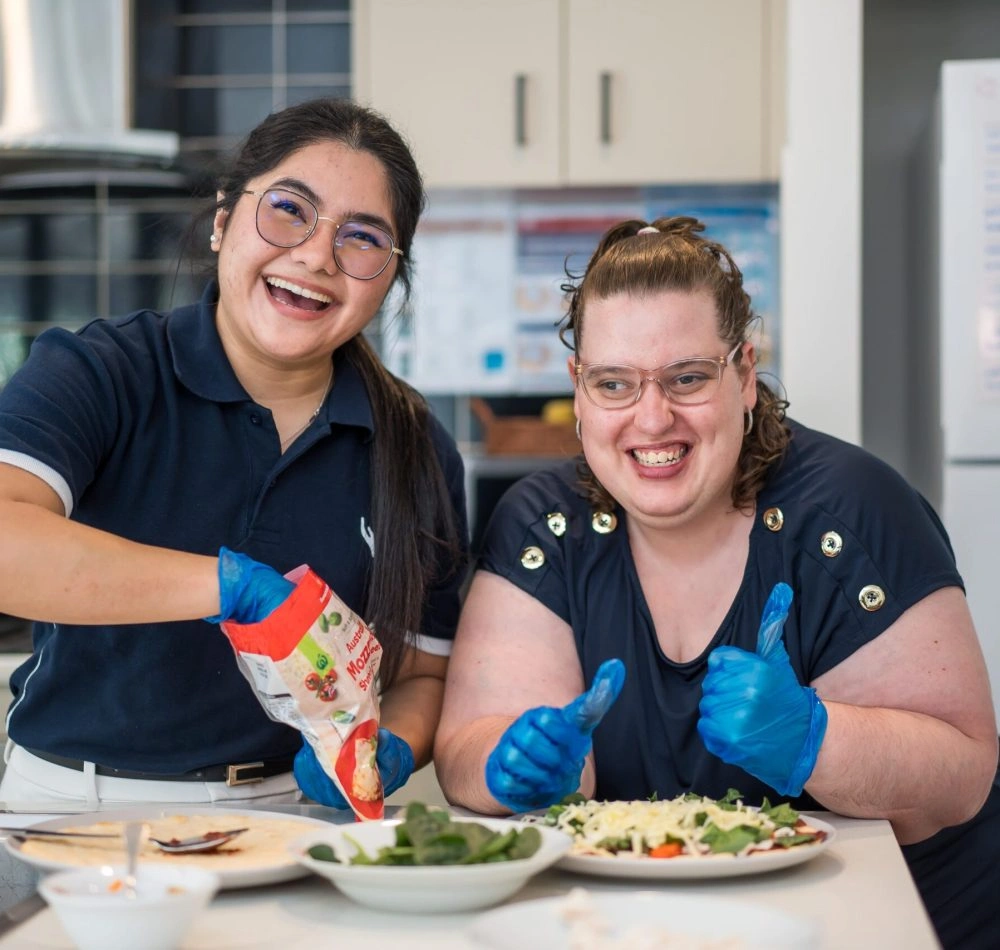
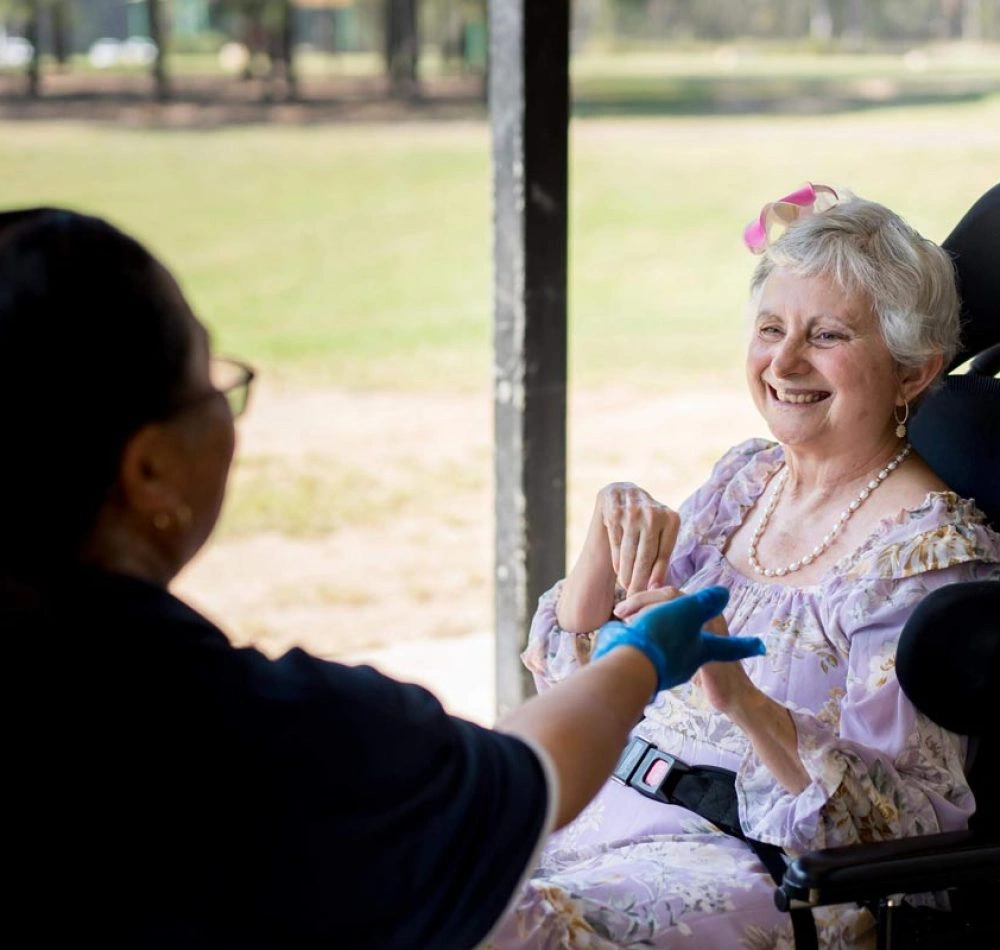
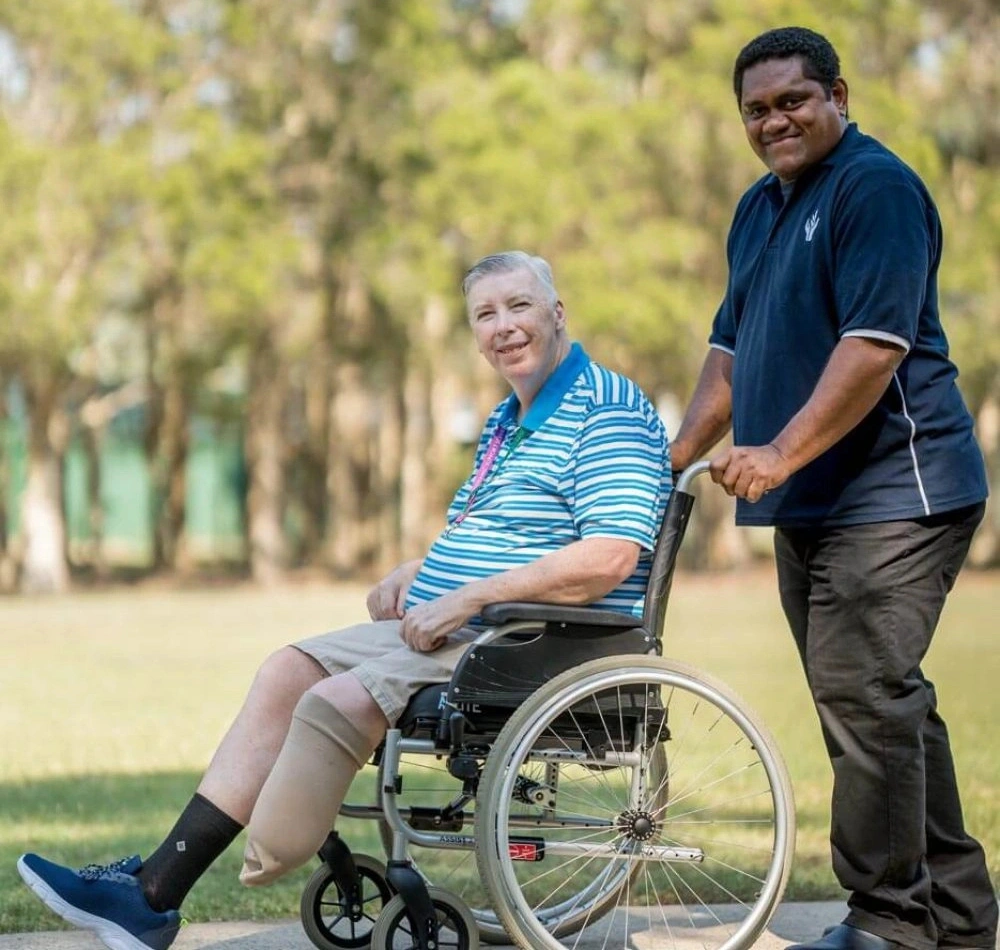
Our Vision To offer a genuinely individual, client-centred approach that respects and empowers the people we support, and helps them reach their full potential. We're here to create steady, lasting change in our participants' quality of life.
-
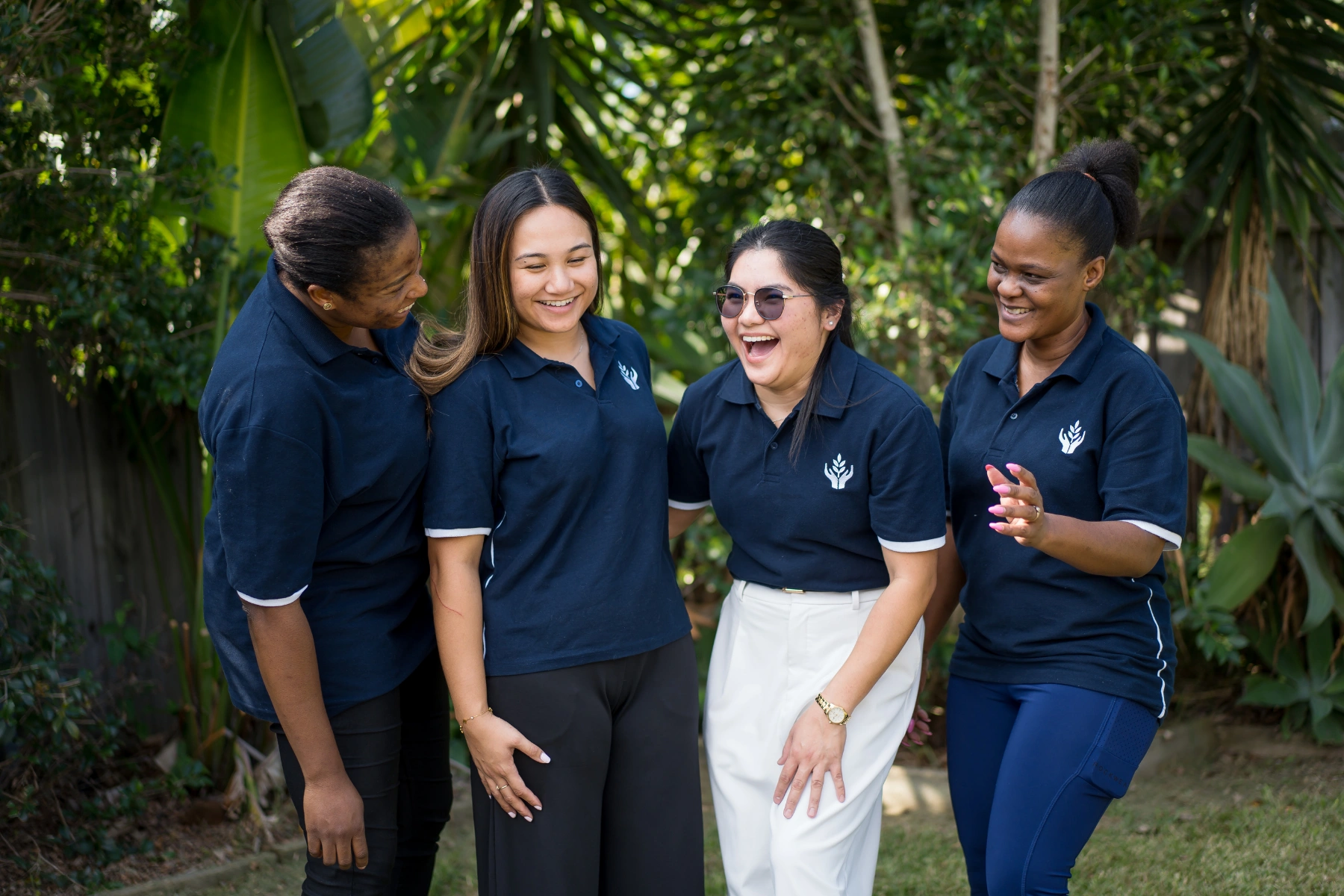
Our Mission We set out to enrich the lives of others across every area of care. Everyone has a story, and we help people see their own resilience and grow their capacity to connect with their community. We do this with acceptance, so every person keeps their dignity and respect.





What We Offer
Comprehensive Support Services tailored to your goals.

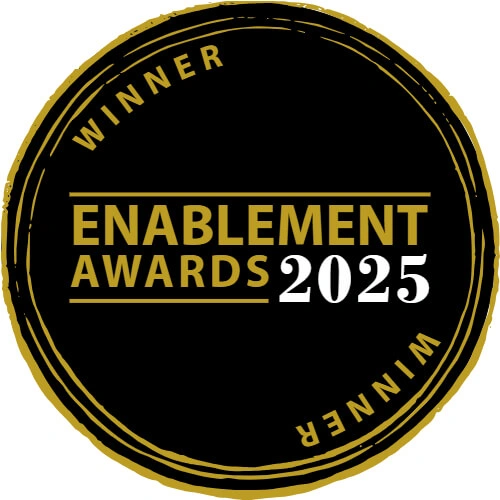

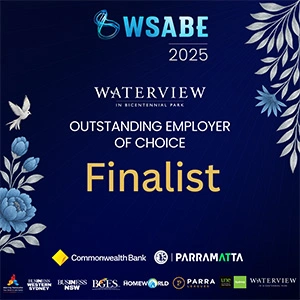
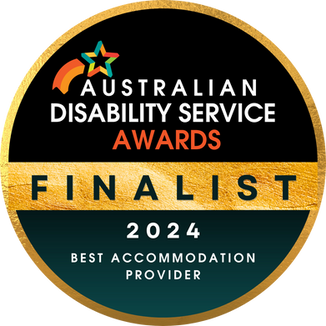

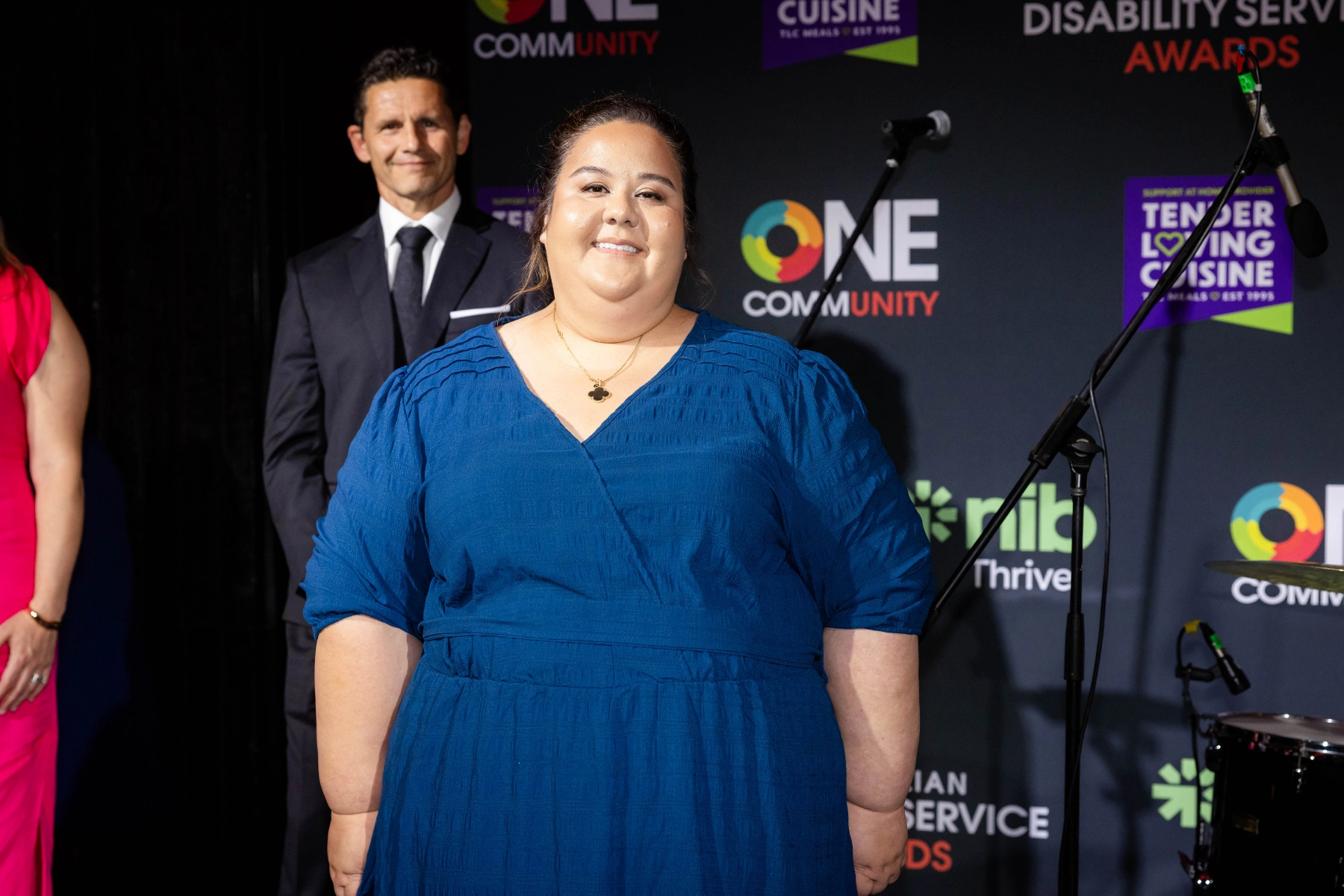
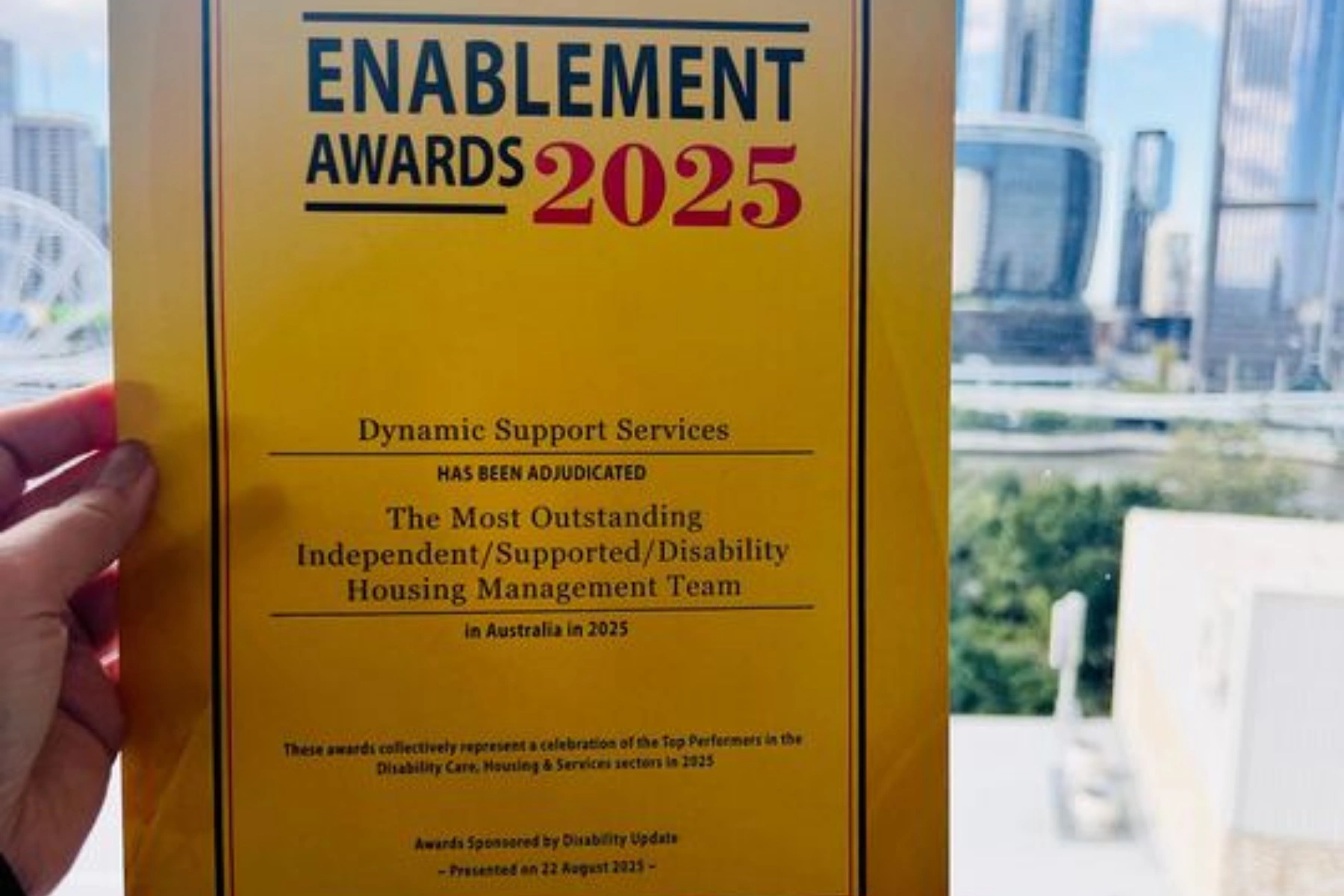

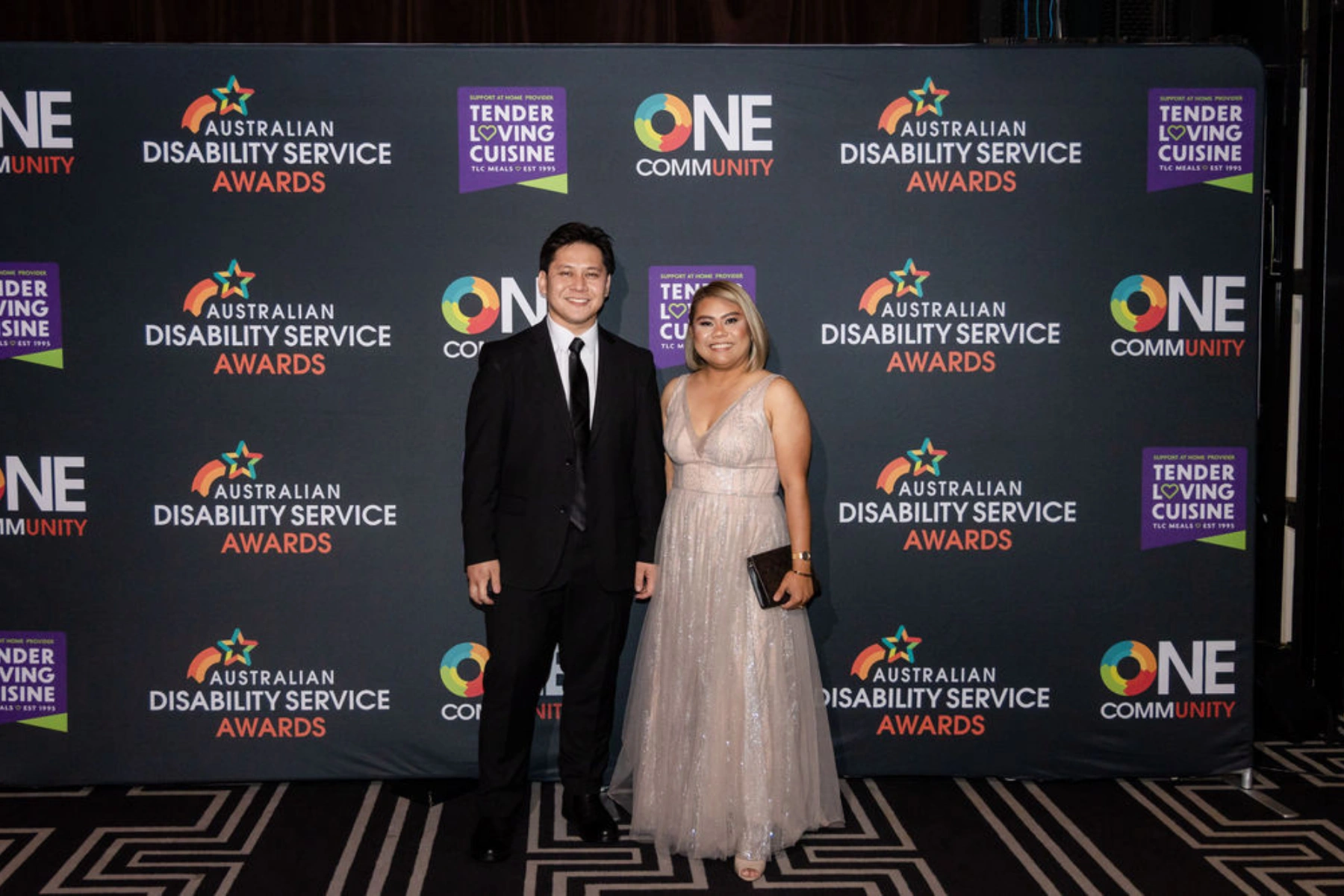


Recognised for Excellence
Best Accommodation Finalist in Australia
- Finalists – Parramatta Local Business Awards 2025
- Finalists – WSABE (Western Sydney Awards for Business Excellence) 2025
- Finalists – Best Accommodation Provider in Australia 2024(Australian Disability Services Award 2024)
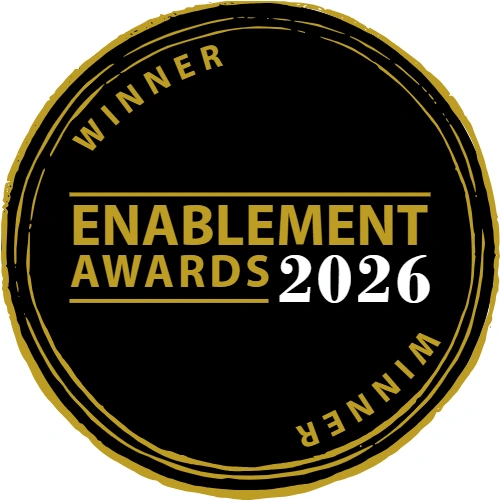
- Two-Time National Enablement Award Winner (2025 & 2026) Most Outstanding Independent Supported Living (SIL) Accommodation & Disability Housing Management Team in Australia
Why Choose Dynamic Support Services?
-
Award-Winning Services Finalist for Best Accommodation in Australia 2024, showcasing our commitment to excellence.
-
Person-Centred Care We prioritise the needs, goals, and preferences of every participant.
-
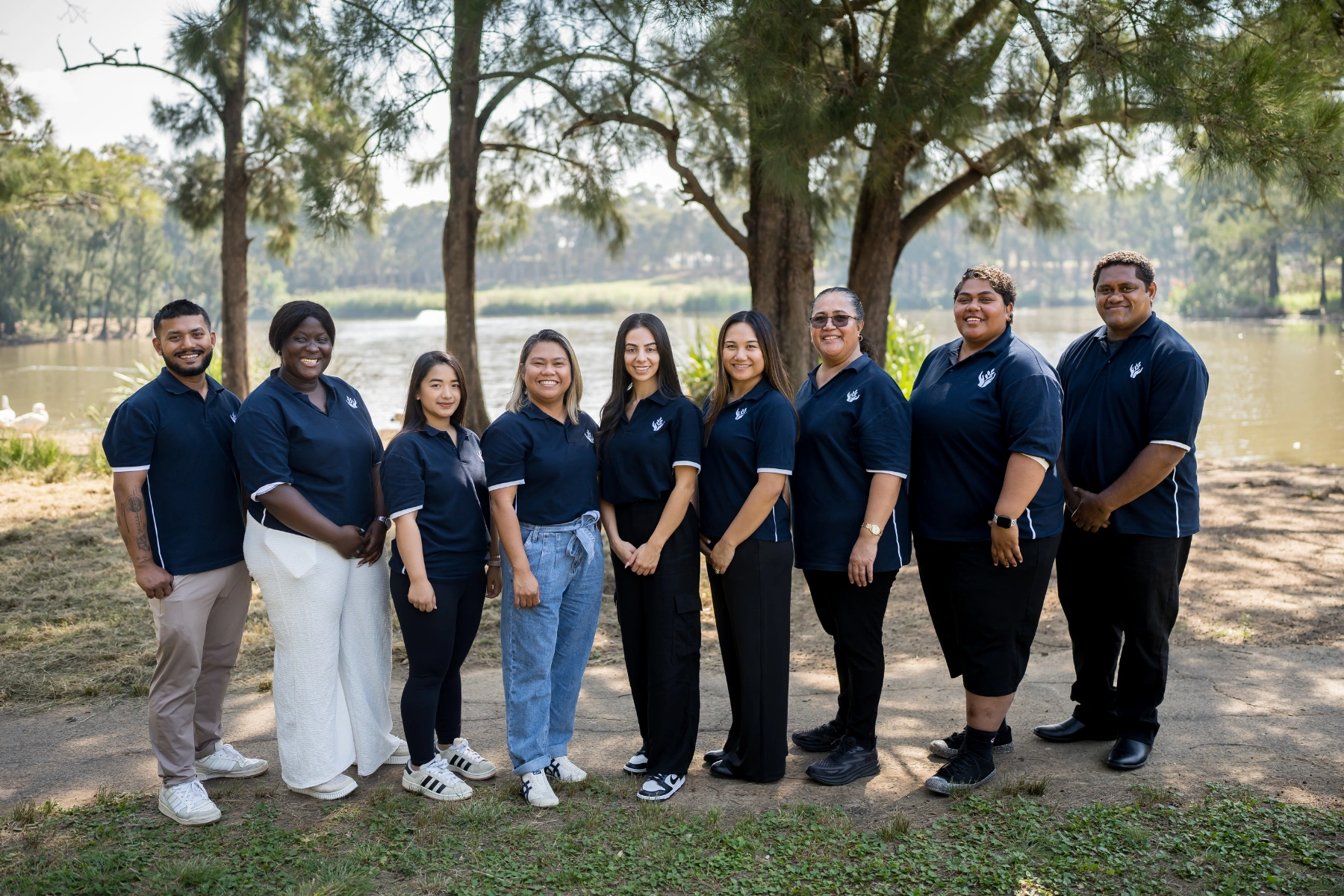
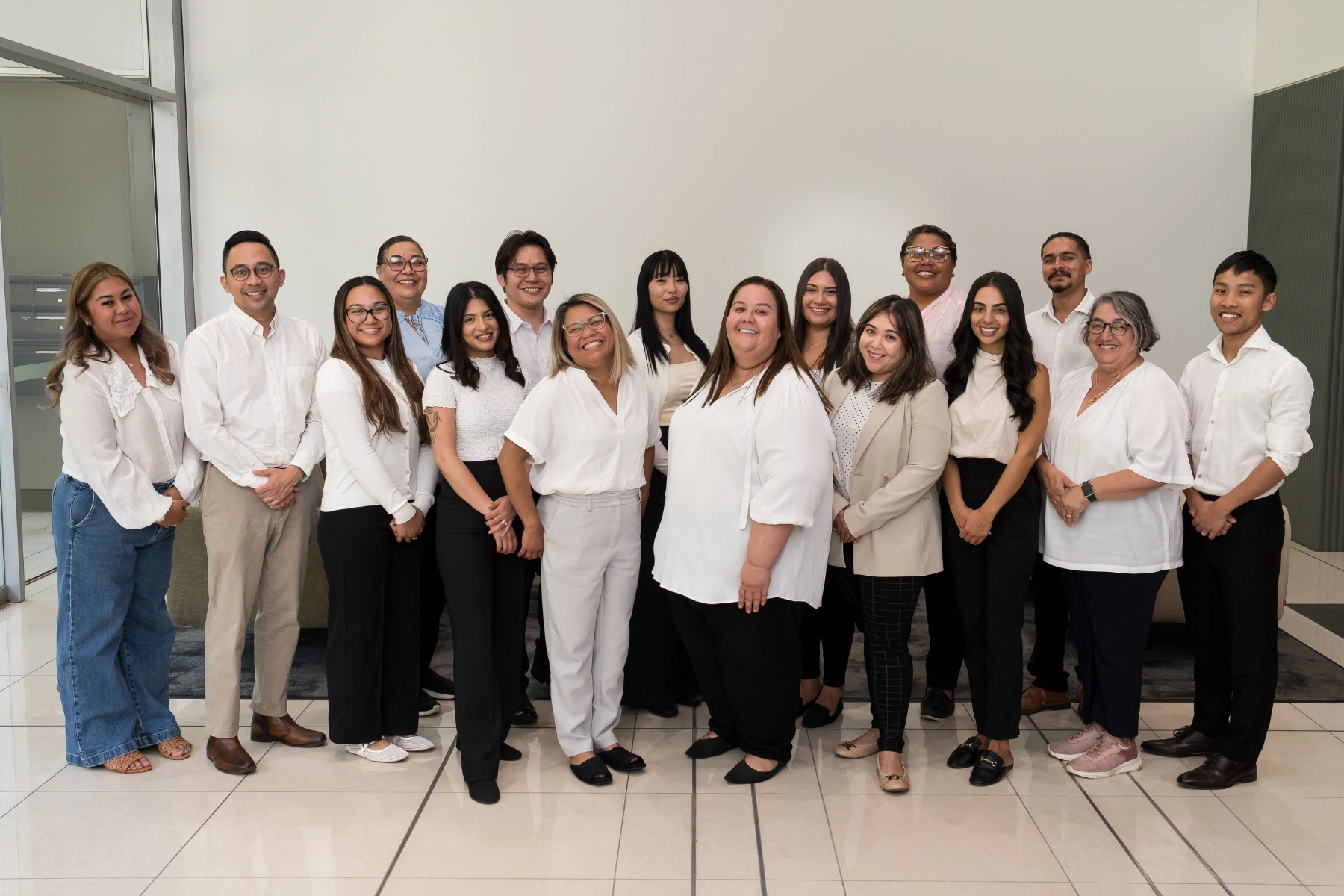
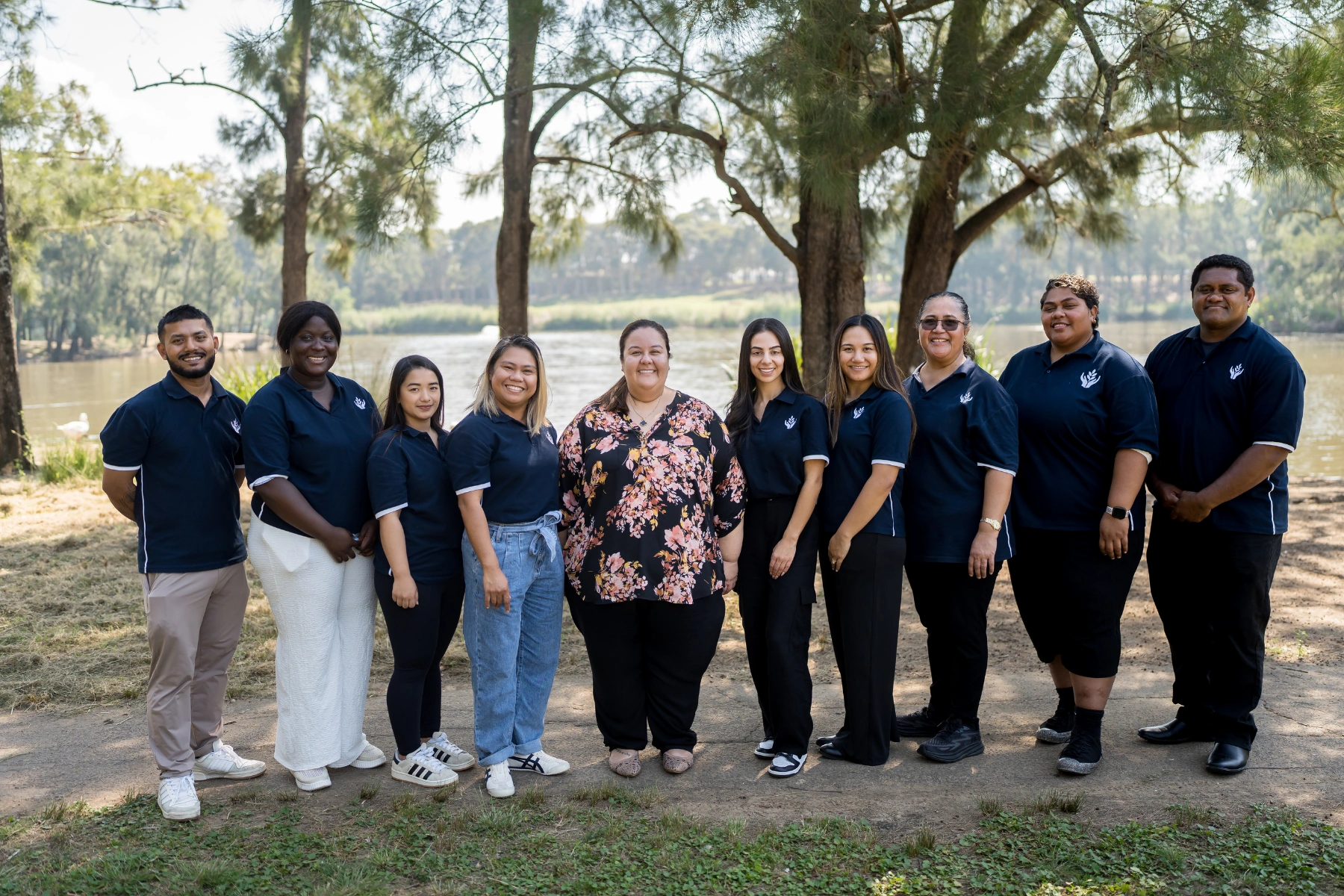
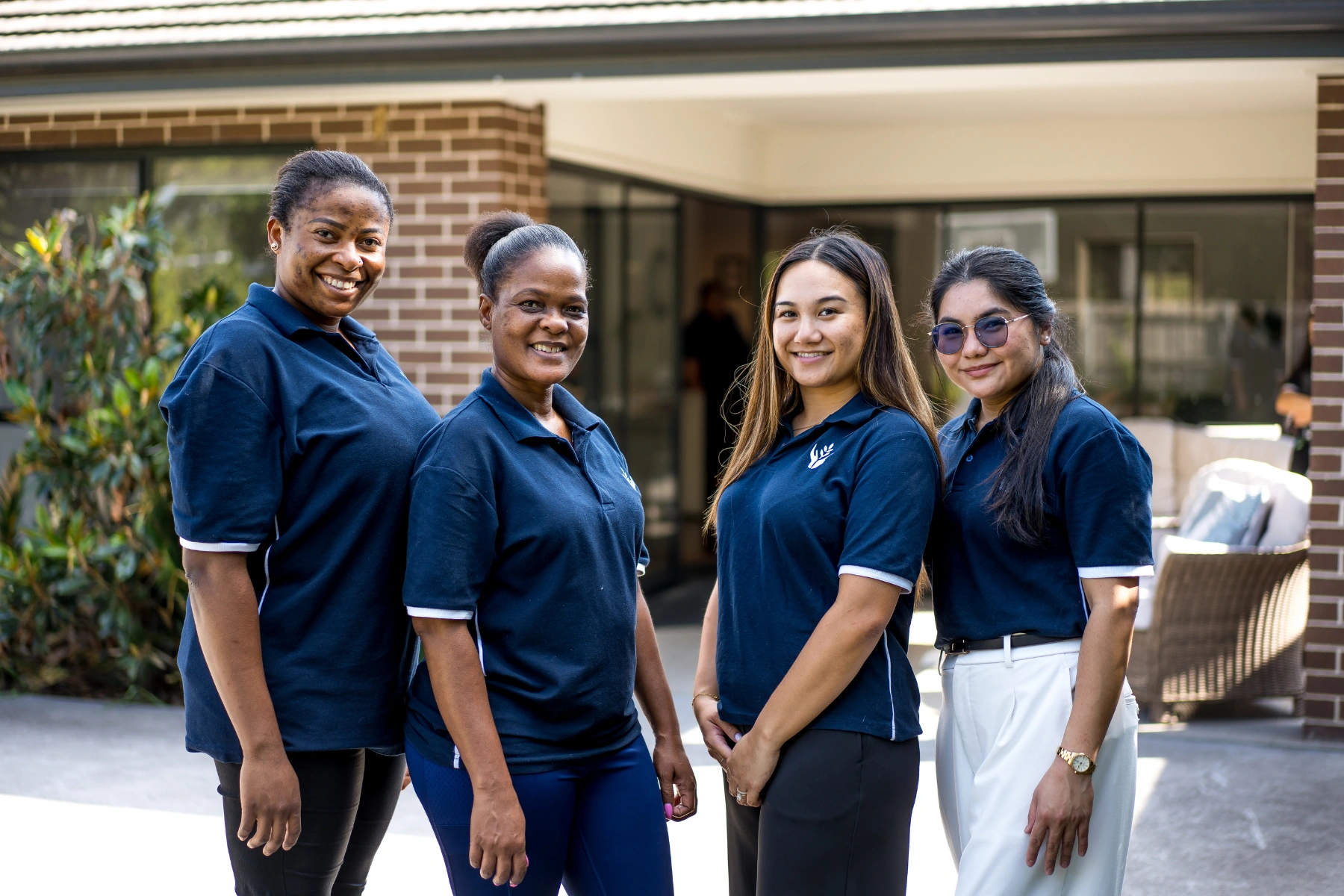
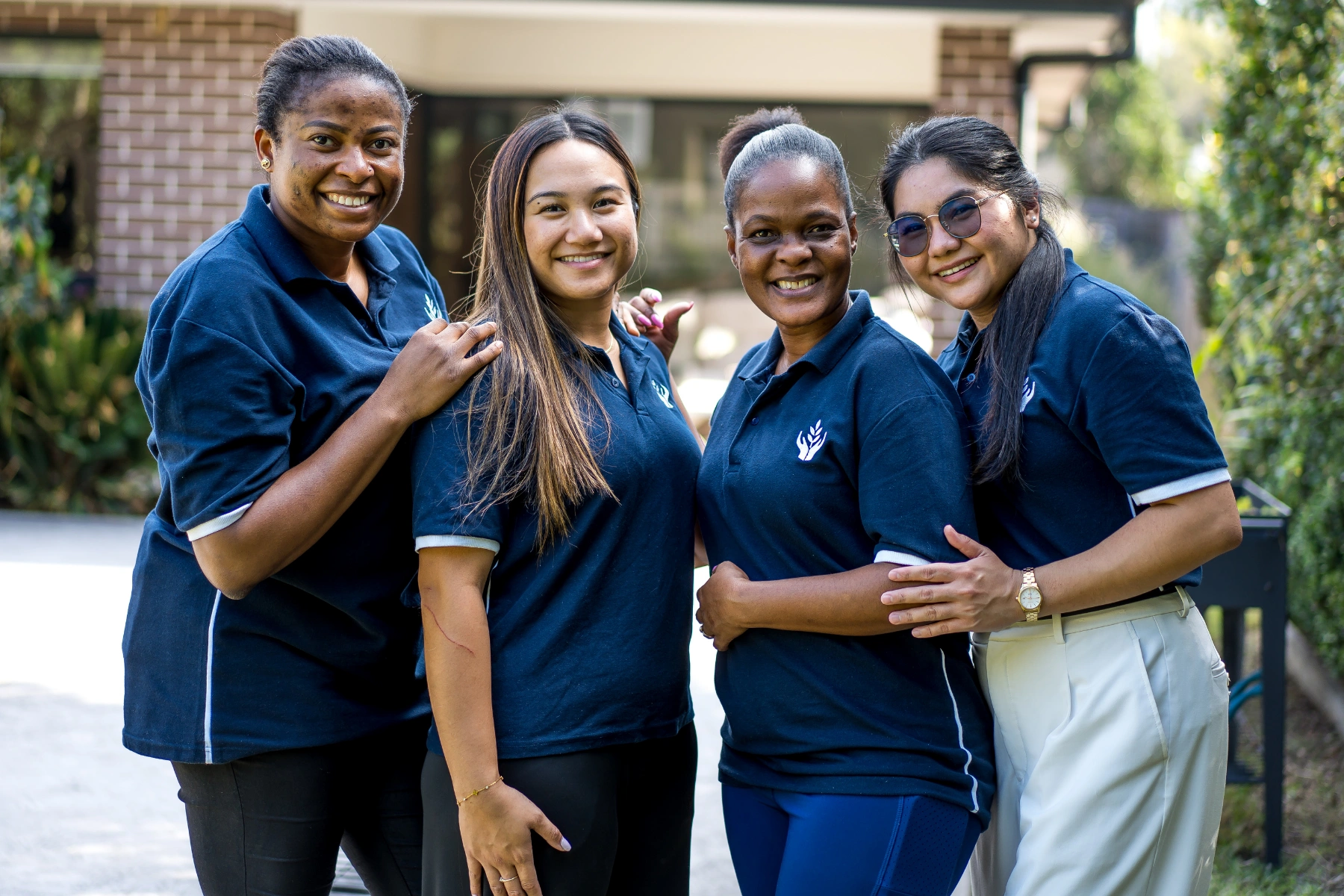
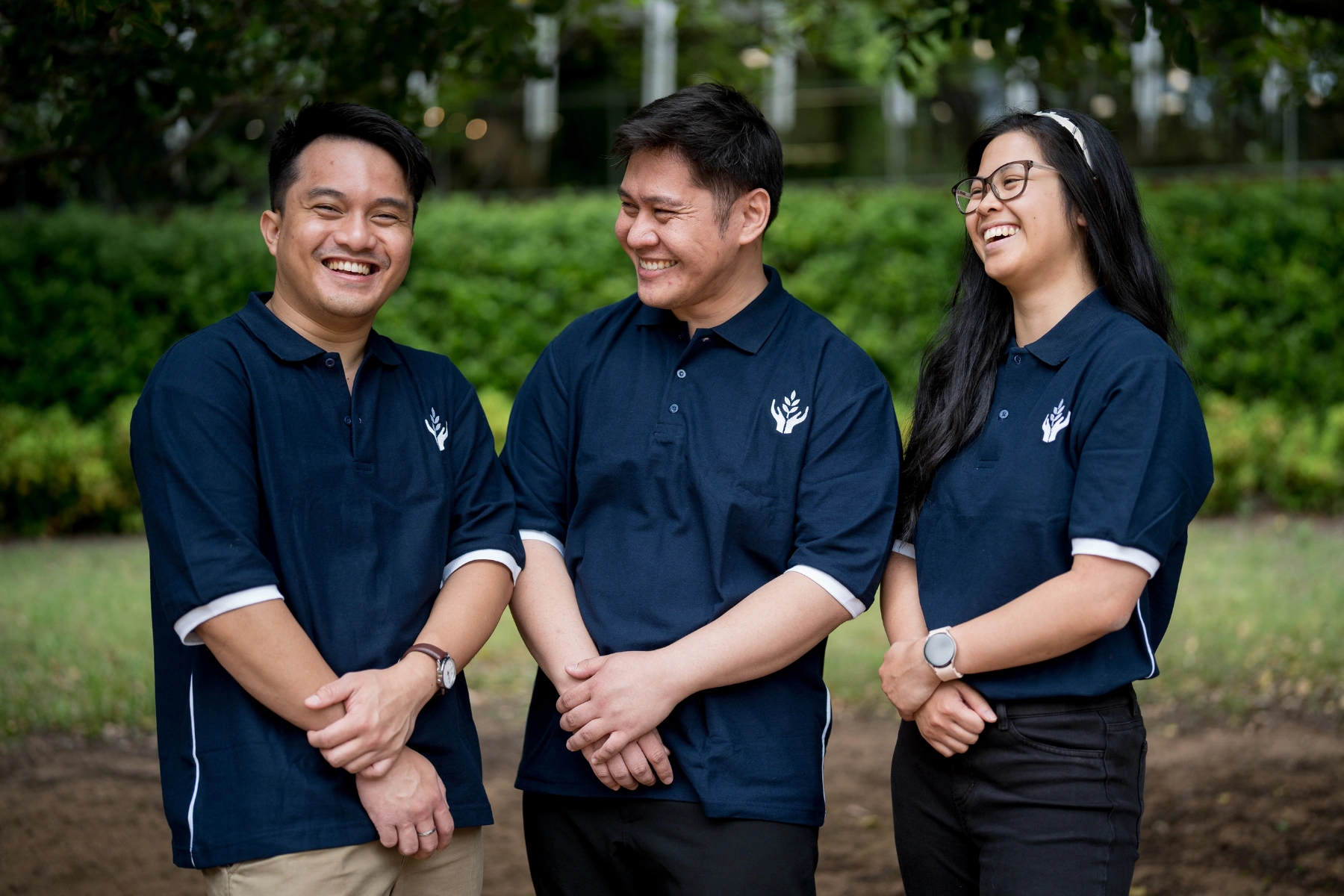
Experienced Team Our compassionate and qualified professionals are dedicated to making a meaningful difference.
-
Innovative Approach We embrace evidence-based practices and the ARC Model of Care to deliver exceptional outcomes.
Participant Stories
Words from the people we walk with
Sean
NSW
I have been accessing Dynamic Support Services for around 4 years now for STA. I always receive the absolute best support from not only the support workers whom support me for my stay, but all DSS staff including management. The apartments at Olympic Park are situated perfectly for myself as I attend events regularly at Olympic Park, they are so comfortable and extremely clean. DSS assist me with not only being able to attend my events but also with meals and transportation throughout Sydney. I feel right at home from the moment of being picked up and dropped back off to go back home. I actually travel a long way to get to my STA but it is absolutely well worth it, all support workers always go above and beyond to cater for my needs. I must make special mention to Shenna, as she is so professional in everything she does. I highly recommend Dynamic Support Services to anyone, you won’t be disappointed. I always look forward to coming back.
Mike
NSW
Tony
Participant Partner - NSW
Veronica
NSW
Referrals | Simplifying access to the right support.

Acknowledgement of Country
Dynamic Support Services respectfully acknowledges the Traditional Owners of the lands and waters across Australia. We pay our respects to Elders, past and present, and recognise their connection to Country, culture, and community. We honour the ongoing living cultures of Aboriginal and Torres Strait Islander peoples. We also acknowledge the future aspirations of all First Nations peoples.
By fostering respectful and meaningful relationships, we are committed to working toward the shared prosperity of both Indigenous and non-Indigenous Australians.
We acknowledge that this land was, is, and always will be Aboriginal land, and that sovereignty was never ceded. We stand in solidarity for reconciliation, unity, and equity for all Australians.
FAQs
Frequently Asked Questions
Who is eligible for Supported Independent Living (SIL)?
How does funding for Respite work under the NDIS?
How can I choose the right respite care provider?
What is Supported Independent Living (SIL)?
What is the difference between SIL and Short-Term Accommodation (STA)?
How do I apply for SIL under the NDIS?
Who is eligible for respite accommodation under NDIS?
What costs are covered under NDIS SIL Funding?
The cost that is covered is their support and support only. A SIL provider can claim for the workers to support participants in their daily lives.
What activities are typically available during respite care?
An activity plan will be pre-planned during their stay; it depends on the goals. For example, it could be going to the movies or going swimming.
What is the difference between SIL and SDA?
Support Independent Living refers to the support workers who provide care to the participants in every aspect of their daily lives. Specialist Disability Accommodation refers to the dwelling in which a participant may live; this is also an assessment process.
What is the process for securing SIL funding?
Can I change SIL providers without moving homes?
Best NDIS Provider in Sydney?
NDIS changes 2024?
Many changes in the guidelines have come in recently from October 3rd, 2024. Please press the link for further information
NDIS Price guide 2025
Please see the attached link for the updated price guide for 2025
What are the changes to NDIS legislation?
What are the NDIS Support categories?
Participants receive funding in their plans to access ‘reasonable and necessary’ services and support to support participants to pursue their goals. A participant plan is usually a year, and a planning review occurs before the plan ends to determine if their needs are still the same or if circumstances have changed.
These supports fall into 15 categories aligned with their purpose. These are:
- Assistance with Daily Life
- Transport
- Consumables
- Assistance with Social & Community Participation
- Assistive Technology
- Home Modifications
- Coordination of Supports
- Improved Living Arrangements
- Increased Social and Community Participation
- Finding and Keeping a Job
- Improved Relationships
- Improved Health and Wellbeing
- Improved Learning
- Improved Life Choices
- Improved Daily Living